Prozessgestaltung 1
kross – a reparable toaster
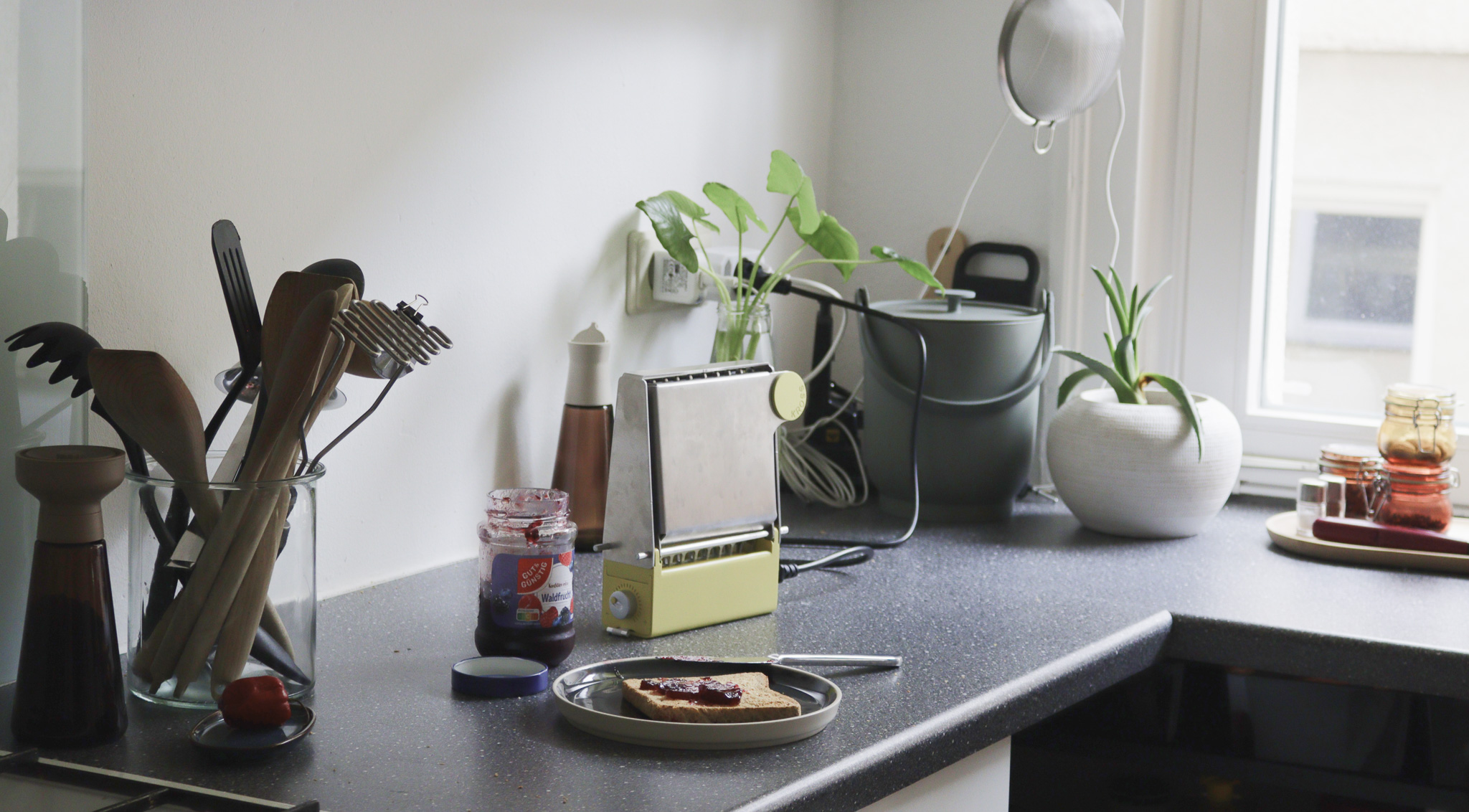
Kross is our response to a growing problem: every year, around 880,000 tons of electronic waste are generated in Germany alone. This is a significant amount, especially for a country with an established recycling system.
It also reflects a broader issue: most electronic products are not designed to last or to be repaired.
We thought about the question: how should a product be designed so that things are not replaced, but rather cared for, understood, taken apart, repaired, and reused?
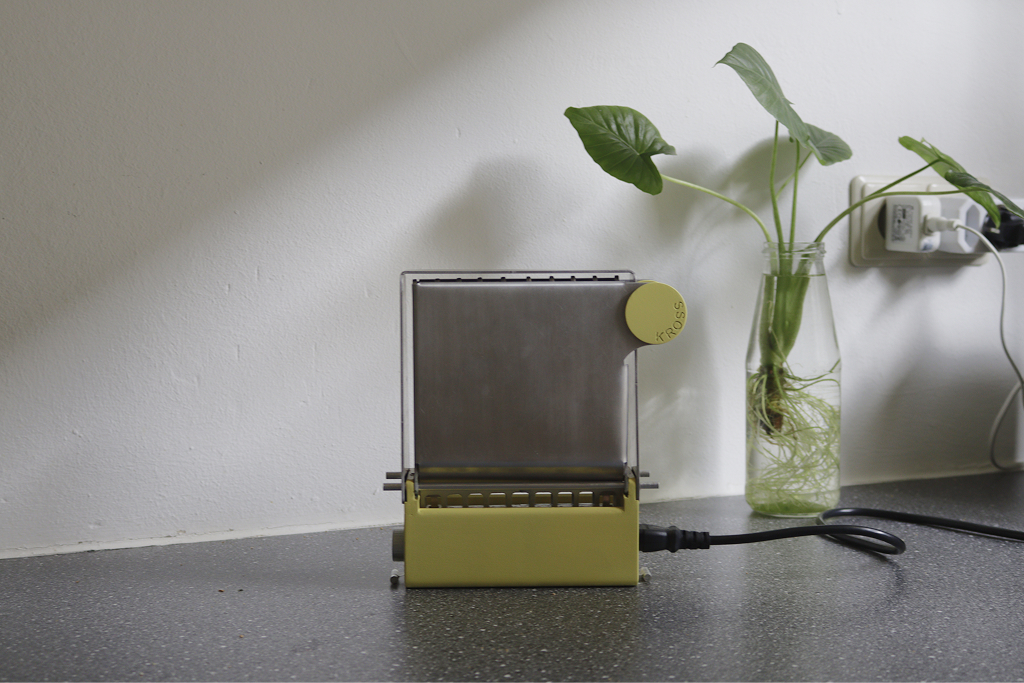
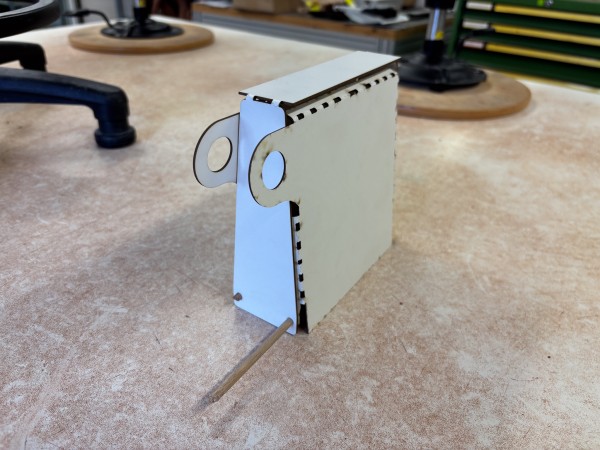
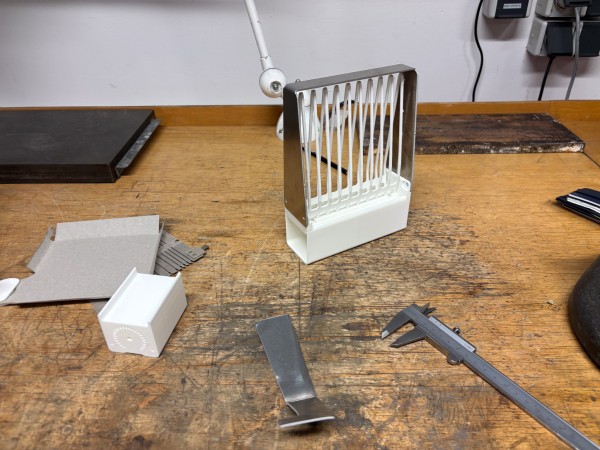
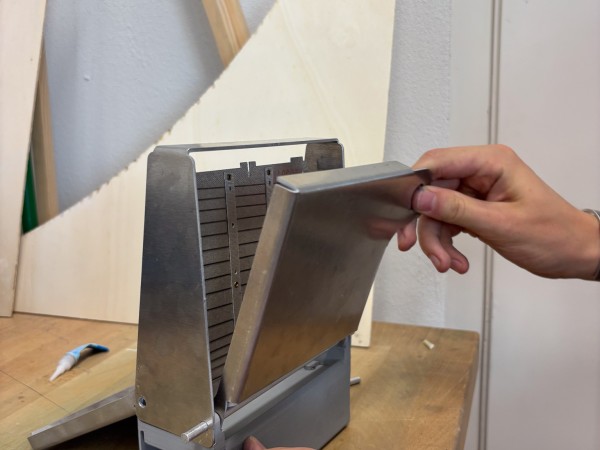
Kross is a toaster that the user assembles step by step. Through this process, the product becomes understandable. Users learn how each component works and how everything fits together. This initial interaction creates a sense of ownership and emotional connection, transforming the toaster from a disposable object into something personal and valued.
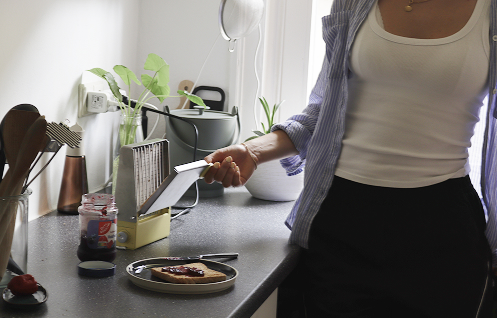
Over time, wear and tear is inevitable. Instead of discarding the product, users can easily disassemble it and remove the defective part. That part can be sent back to Kross, and a replacement can be ordered through the website. This system closes the loop: returned components are reintegrated into the production cycle, enabling true remanufacturing.
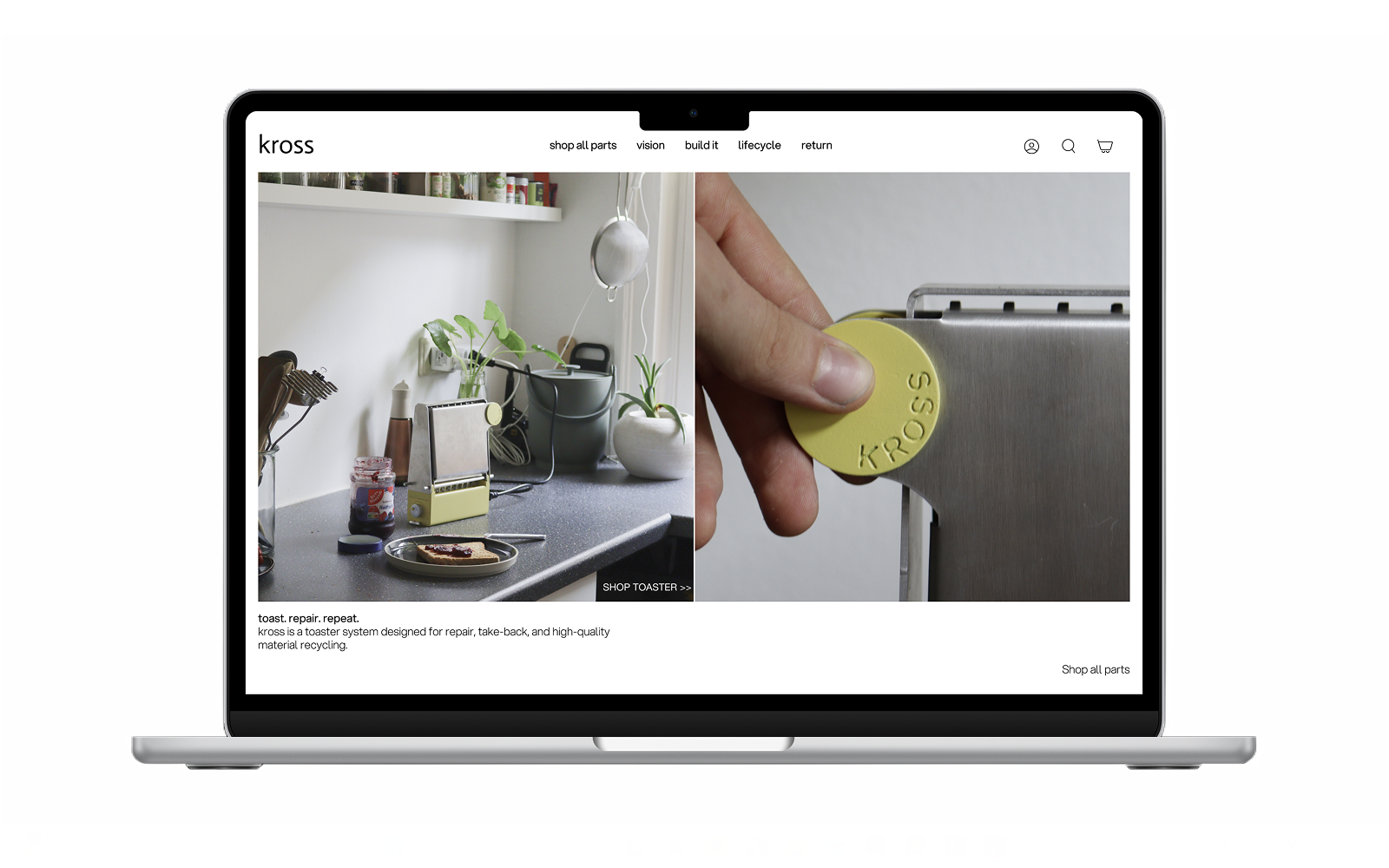
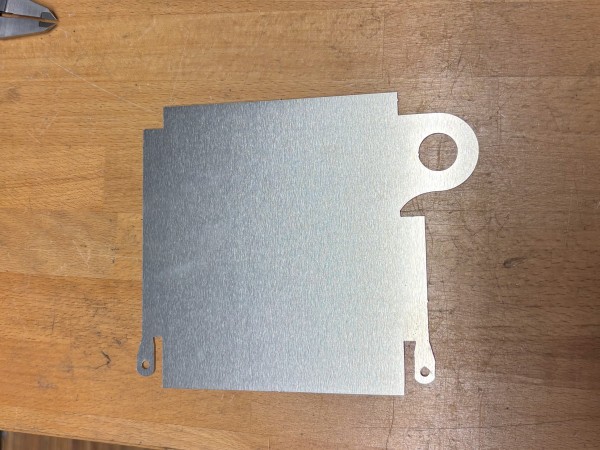
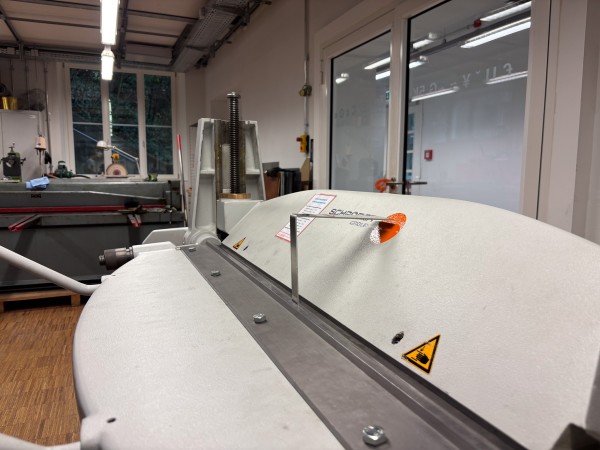
Material choice plays a central role in this concept. All metal components are made from aluminum, which is fully recyclable without loss of quality. Parts that interact with electricity are made from post-consumer recycled plastics, reducing the demand for virgin materials. Every design decision supports longevity, repairability, and circular use.
Kross is more than just a toaster. It is a product that builds a relationship between user and object. It encourages understanding, responsibility, and care—while creating a continuous material cycle. Instead of a short-lived appliance, Kross becomes a product for life.
Annabell Dreher, John Roller, Anton Jost
BetreuungProf. Leif Huff, Prof. Dr. Susanne Schade
Tags