Semantic effect and material driven design
In the first part of the project, a material concept is to be developed based on a selected association term.
The second part deals with the design method ‘Material Driven Design’.
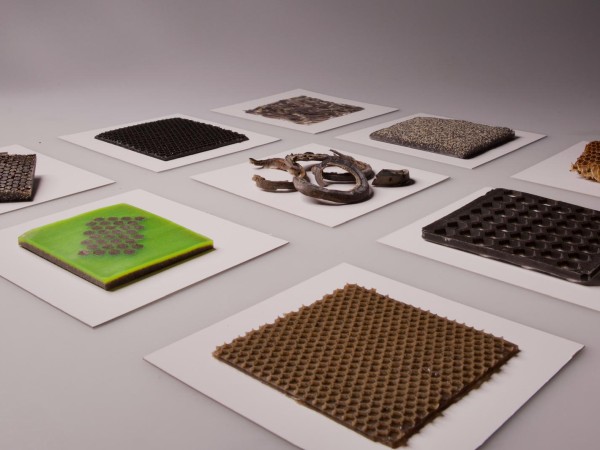
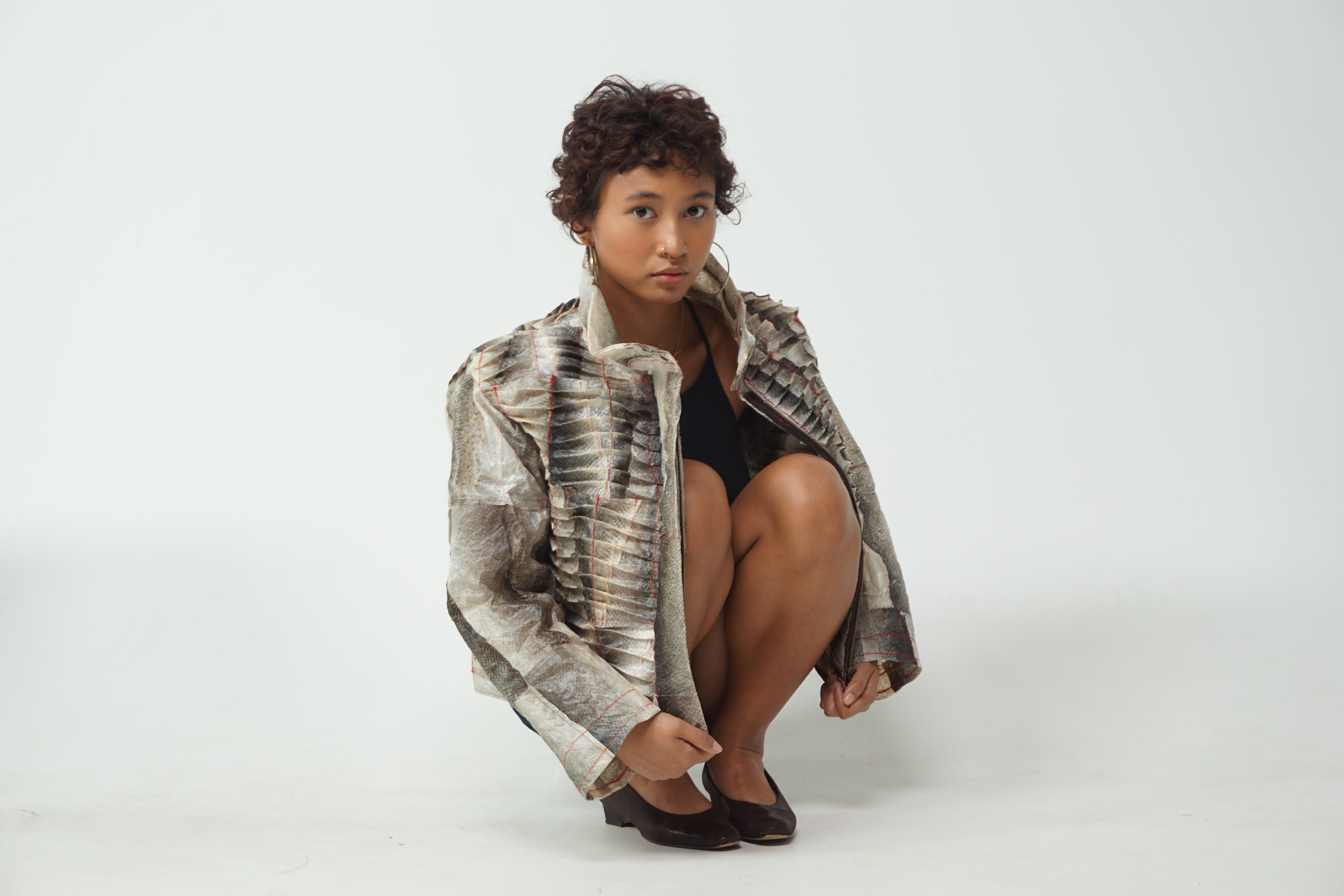
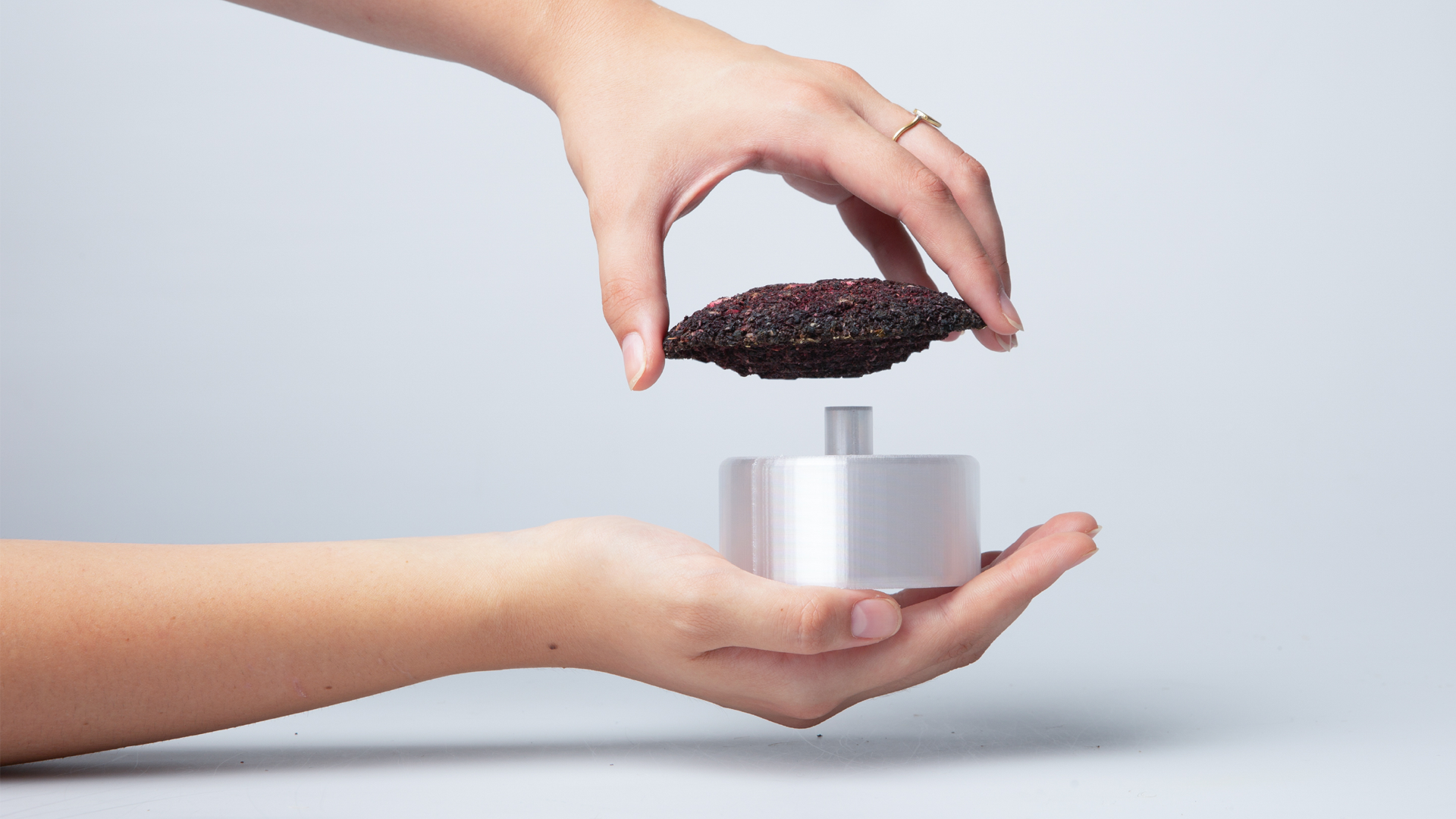
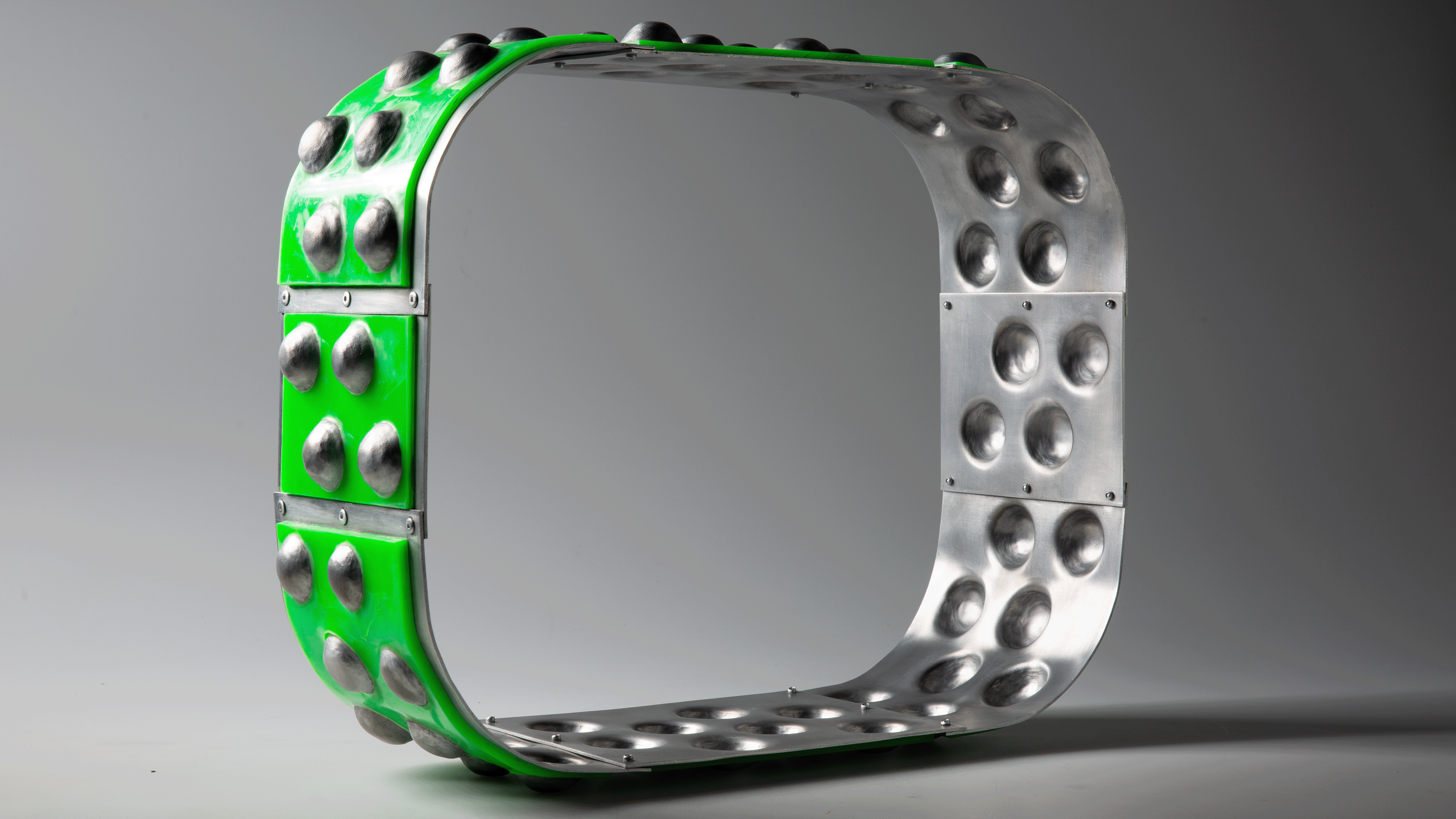
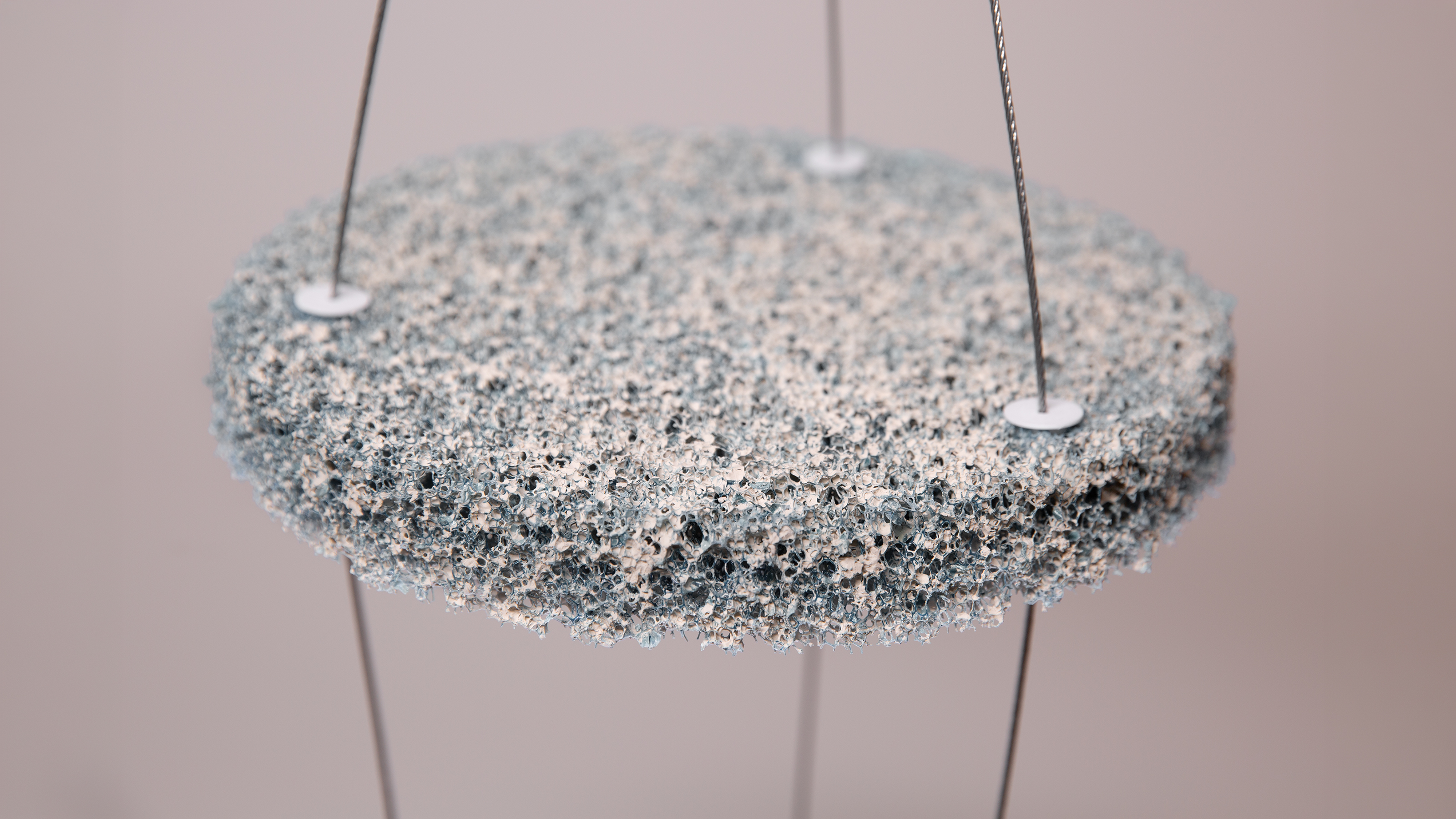
As part of the course, students first analyze the sensory perception, functional properties, and semantic dimensions of meaning of a material. Building on this, an association term (e.g., sporty, artificial, or playful) is drawn from a defined pool of terms and systematically related to the material.
From this connection, students develop a material concept whose intended effect corresponds to the respective associative term. In addition to examining the semantic effect of materials, students use this as a basis to design a product according to the principle of material-driven design. The application, function, and design of the product are consistently derived from the specific properties of the material.
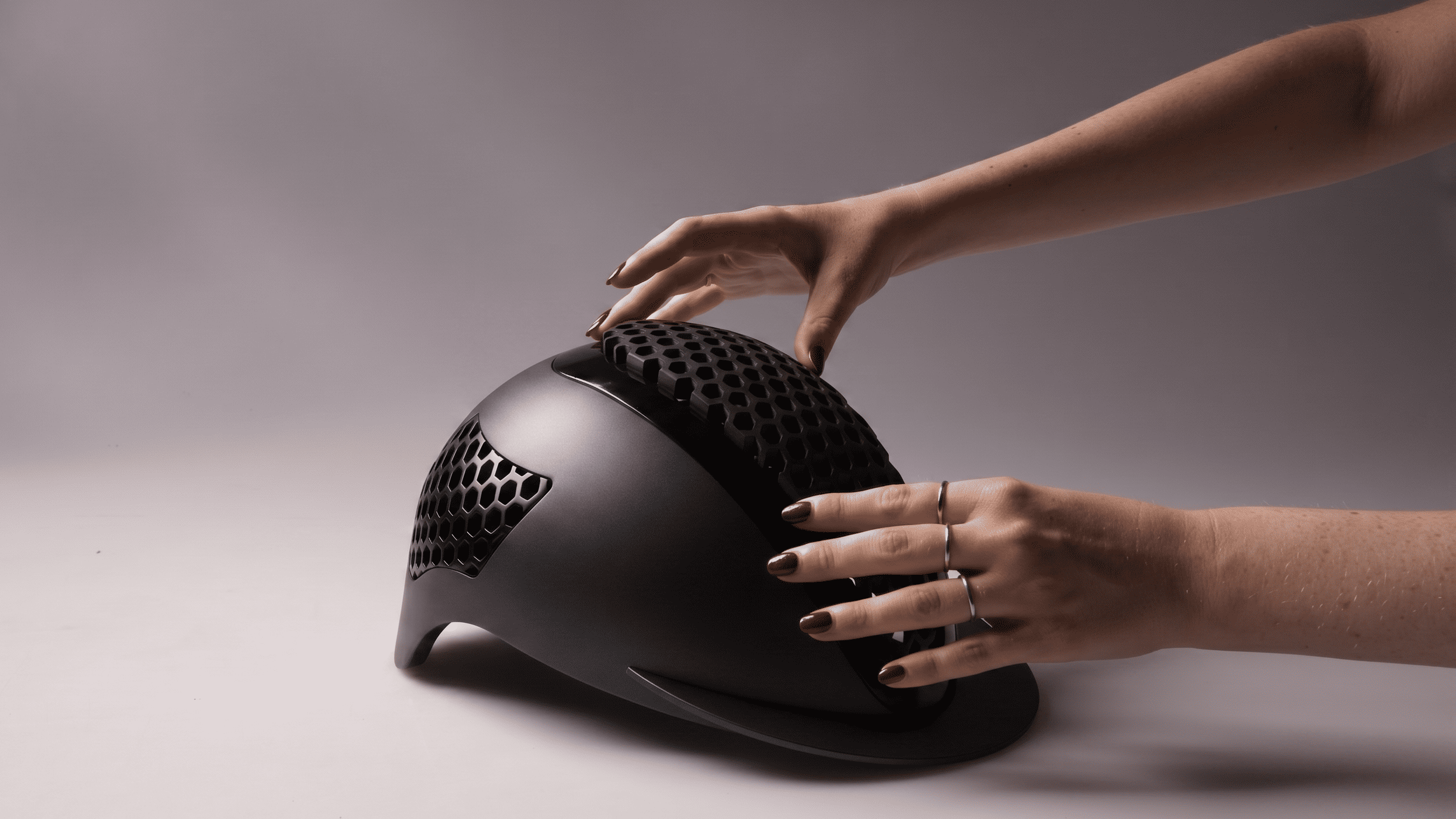
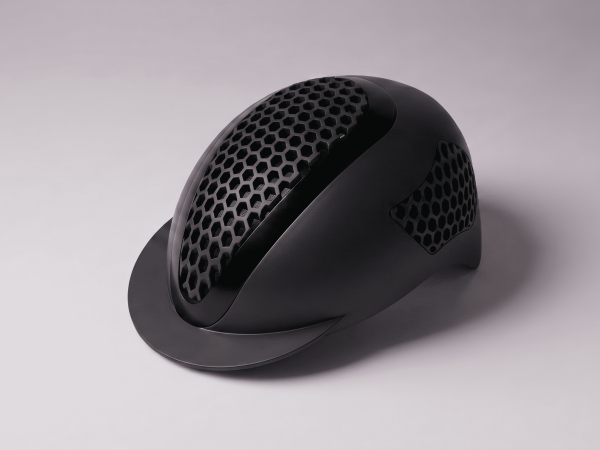
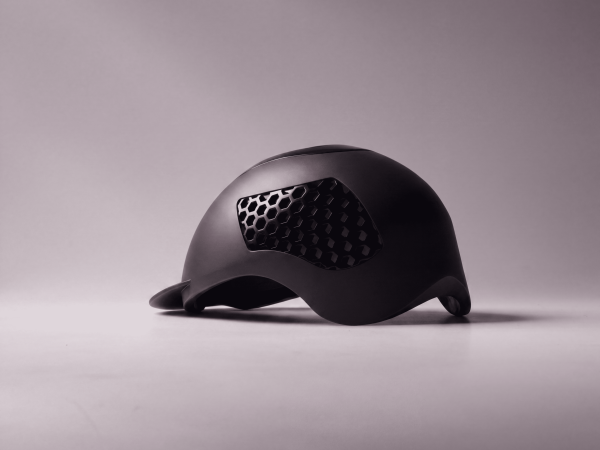
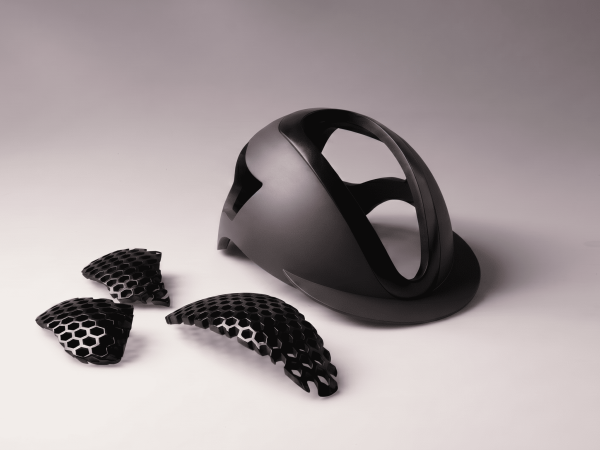
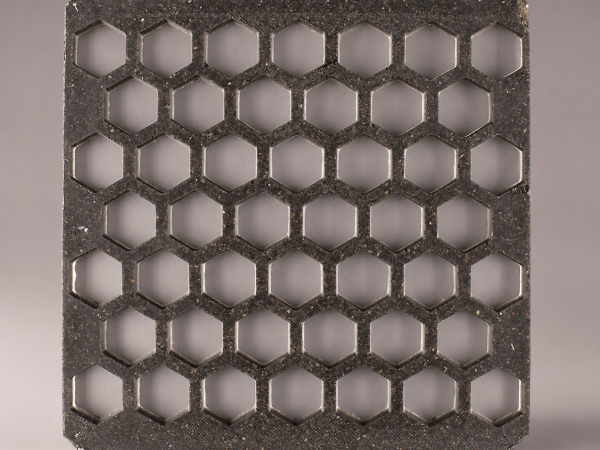
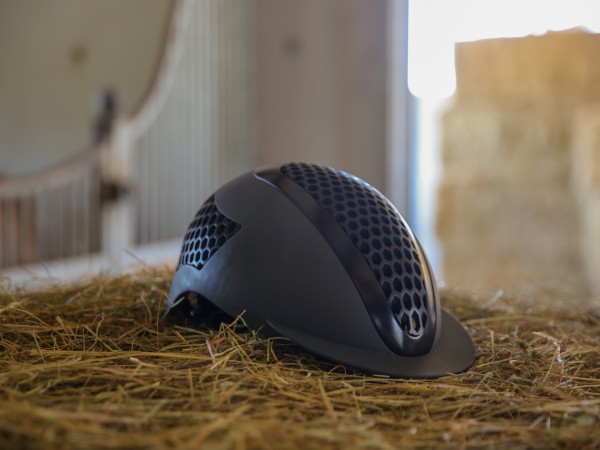
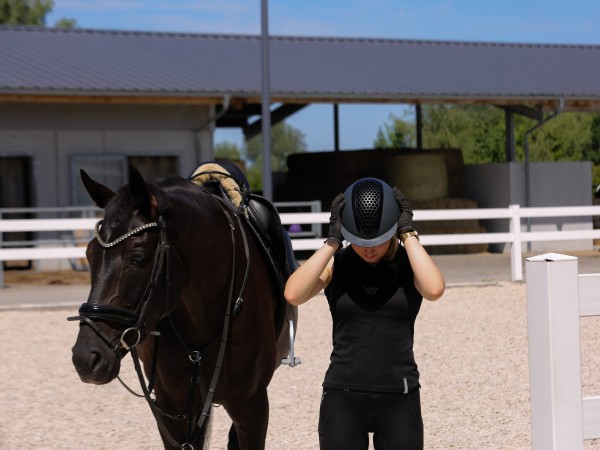
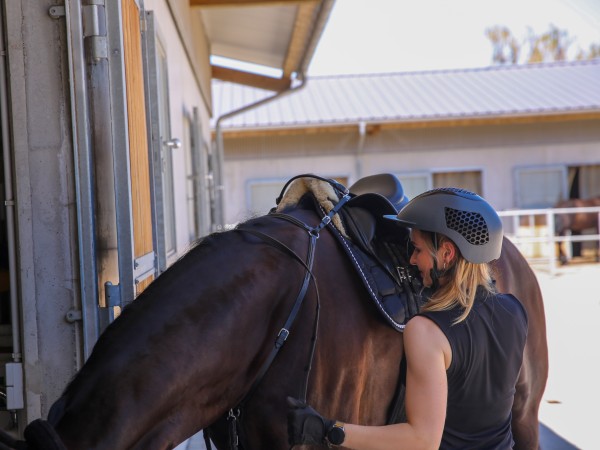
The sporty riding helmet was developed through a material-driven design process. The project focused on creating a new material that combines the qualities “animal-based” and “technical.” Horn was selected as the natural animal-derived material and reinterpreted through a geometric honeycomb structure to create a more technical appearance. Within the helmet design, the material is applied specifically to the ventilation areas. The honeycomb elements support airflow while giving the helmet a distinctive, functional, and contemporary aesthetic.