Prozessgestaltung 1
cemetree
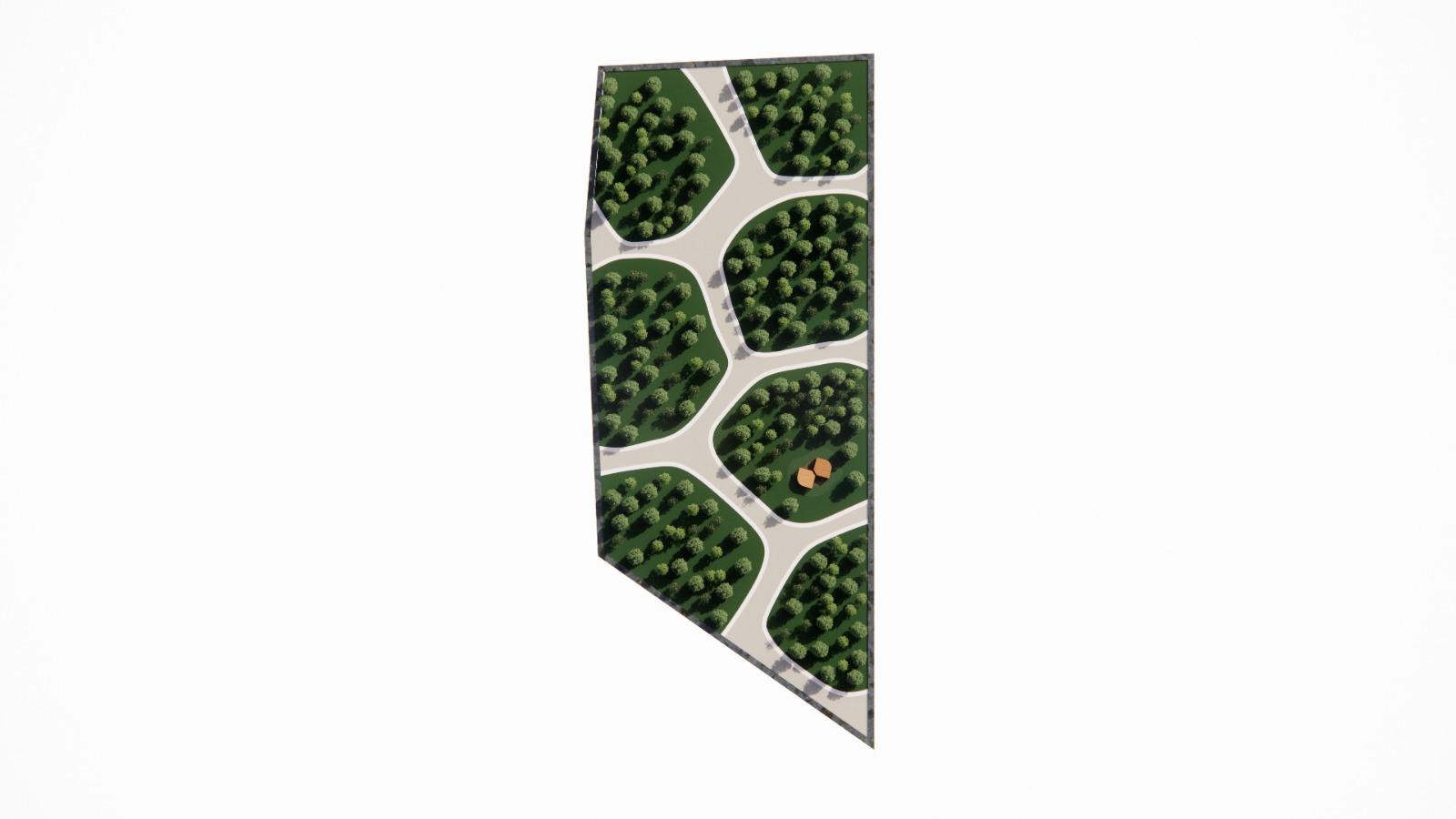
CEMETREE is an alternative, secular cemetery concept that combines nature-based burial with shared use of space. Instead of traditional rows of graves, there are family and public trees under which urns are buried and individually crafted clay tiles are attached. Workshops, support offers, and open, warm architecture create a place that unites grief, community, and everyday use. This reduces land consumption, can lower costs, and offers people without a strong religious background a personal, sustainable place of remembrance.
Trees
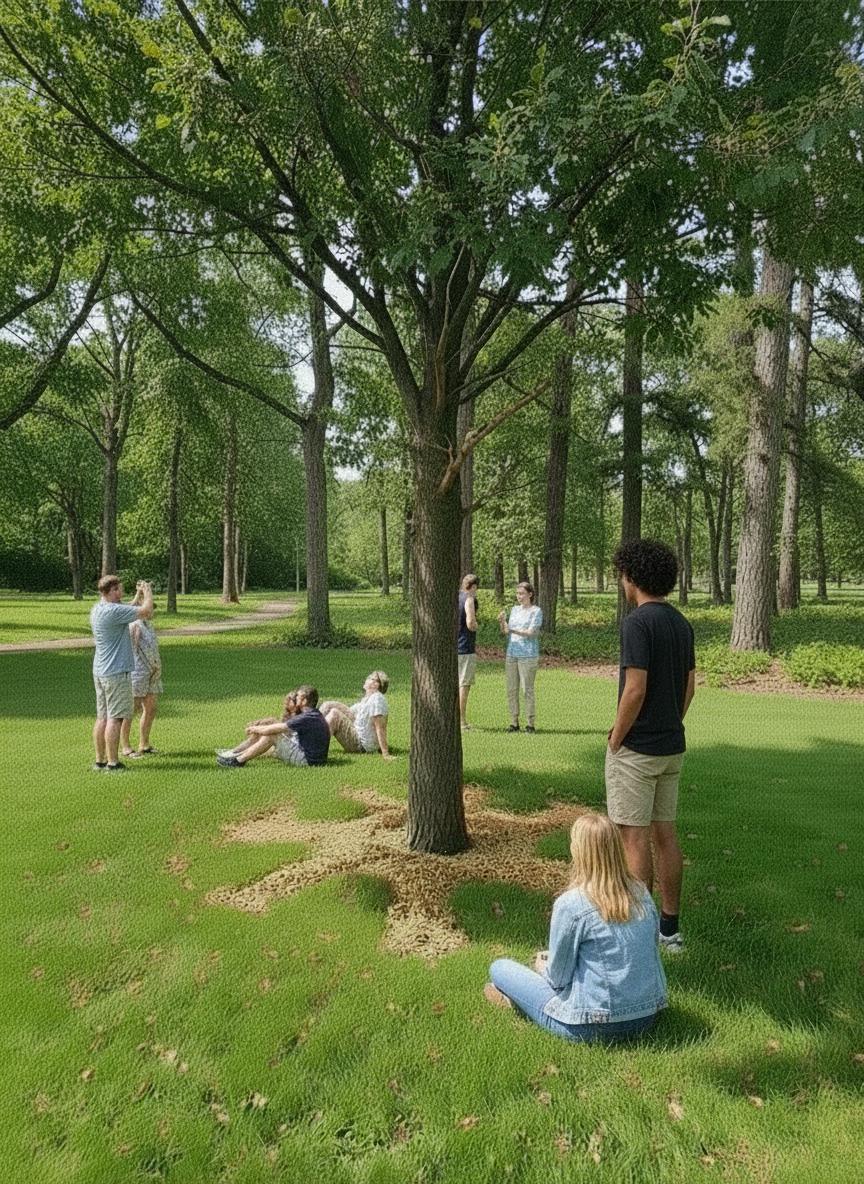
Our cemetery offers tree burials as the only form of burial.
Visitors can choose between family trees or anonymous trees, depending on their personal wishes. Each person is laid to rest at the base of a tree in a biodegradable urn, allowing the ashes to gently return to the earth and become part of the natural cycle
Path of remembrance
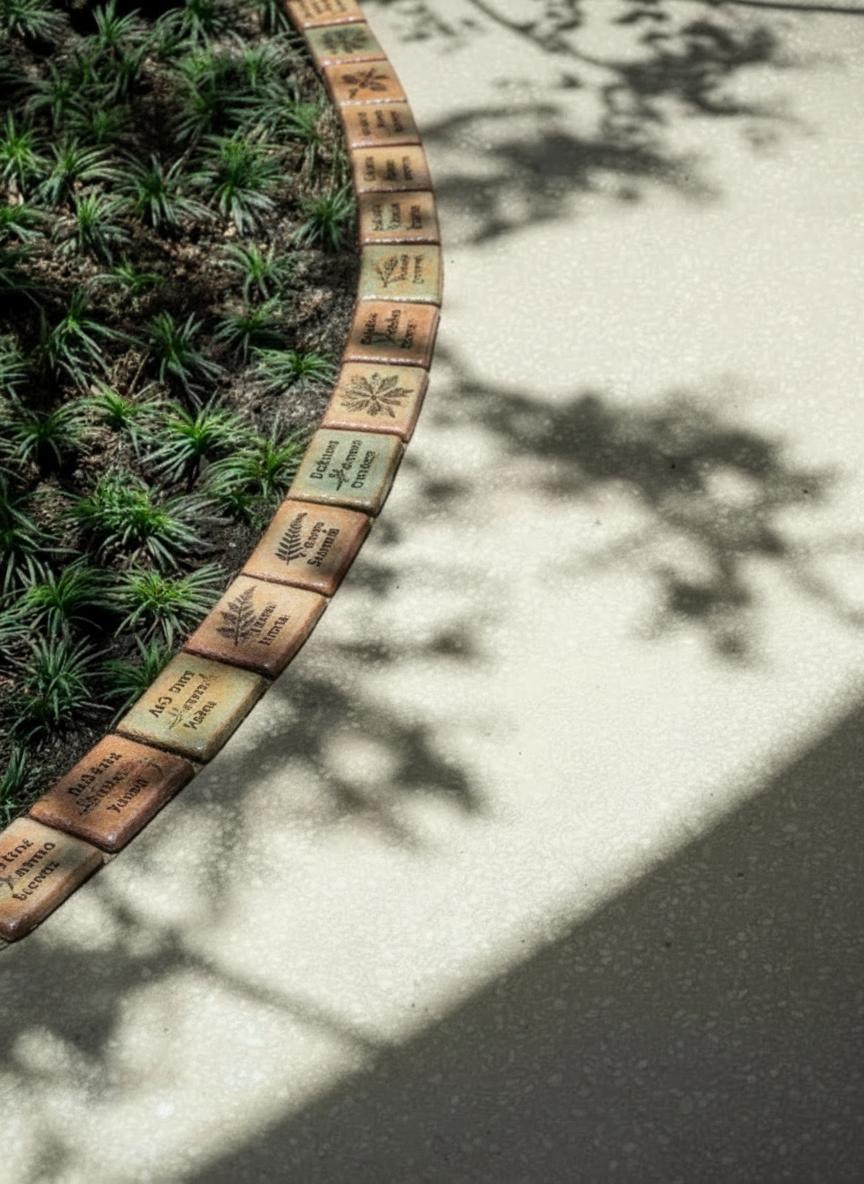
The Path of Remembrance runs through the cemetery as a shared place of memory.
Personalized tiles are placed along the path to honor each individual, creating a collective space allowing visitors to walk, pause and reflect while staying connected to those who are remembered.
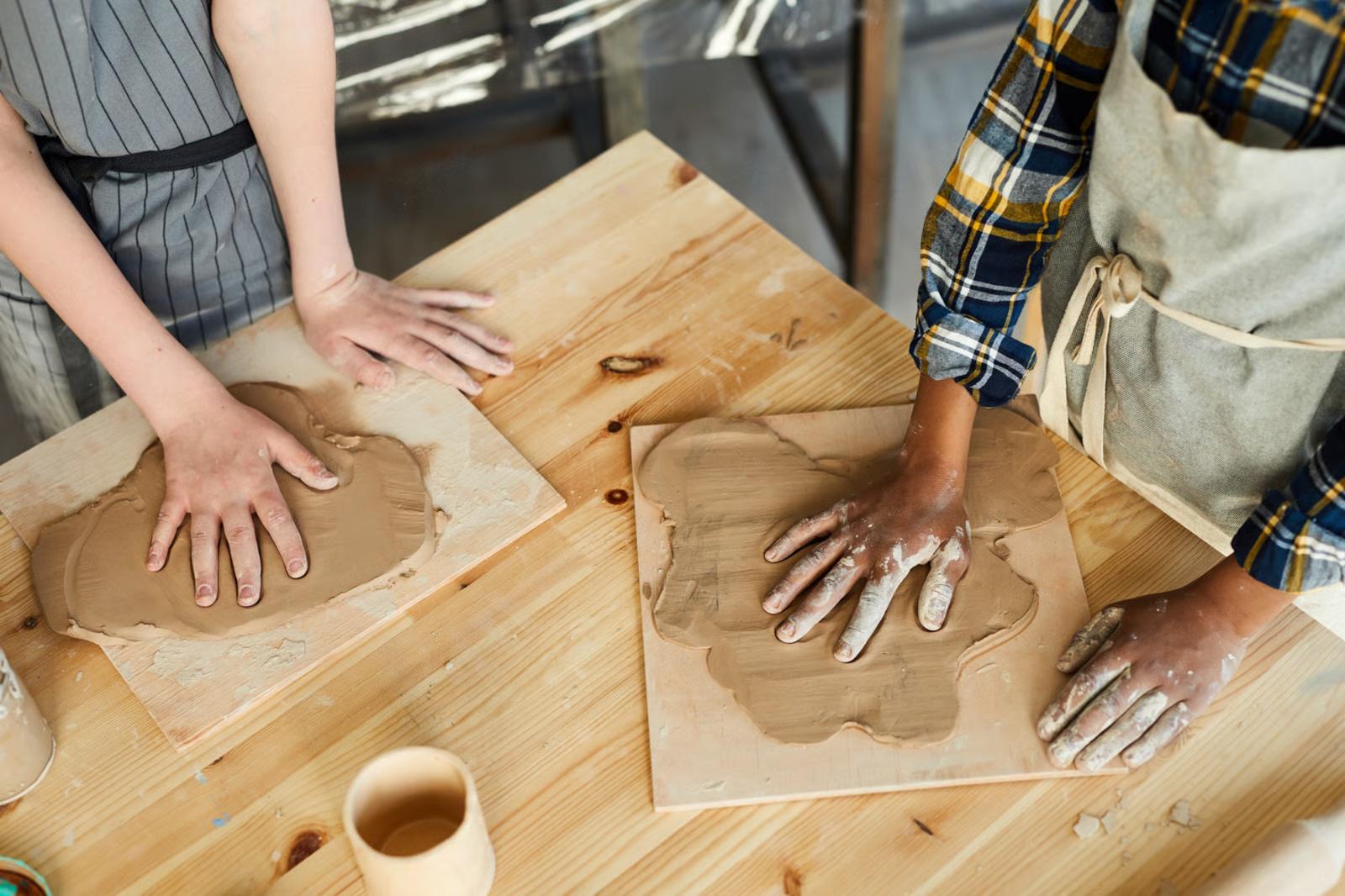
Workshops
The workshops provide a supportive environment where creative work becomes a tool for reflection and emotional relief.
By personalizing tiles, signs, and urns, participants can engage in a quiet, hands-on process that supports grieving while creating personal markers of memory and care.
Website
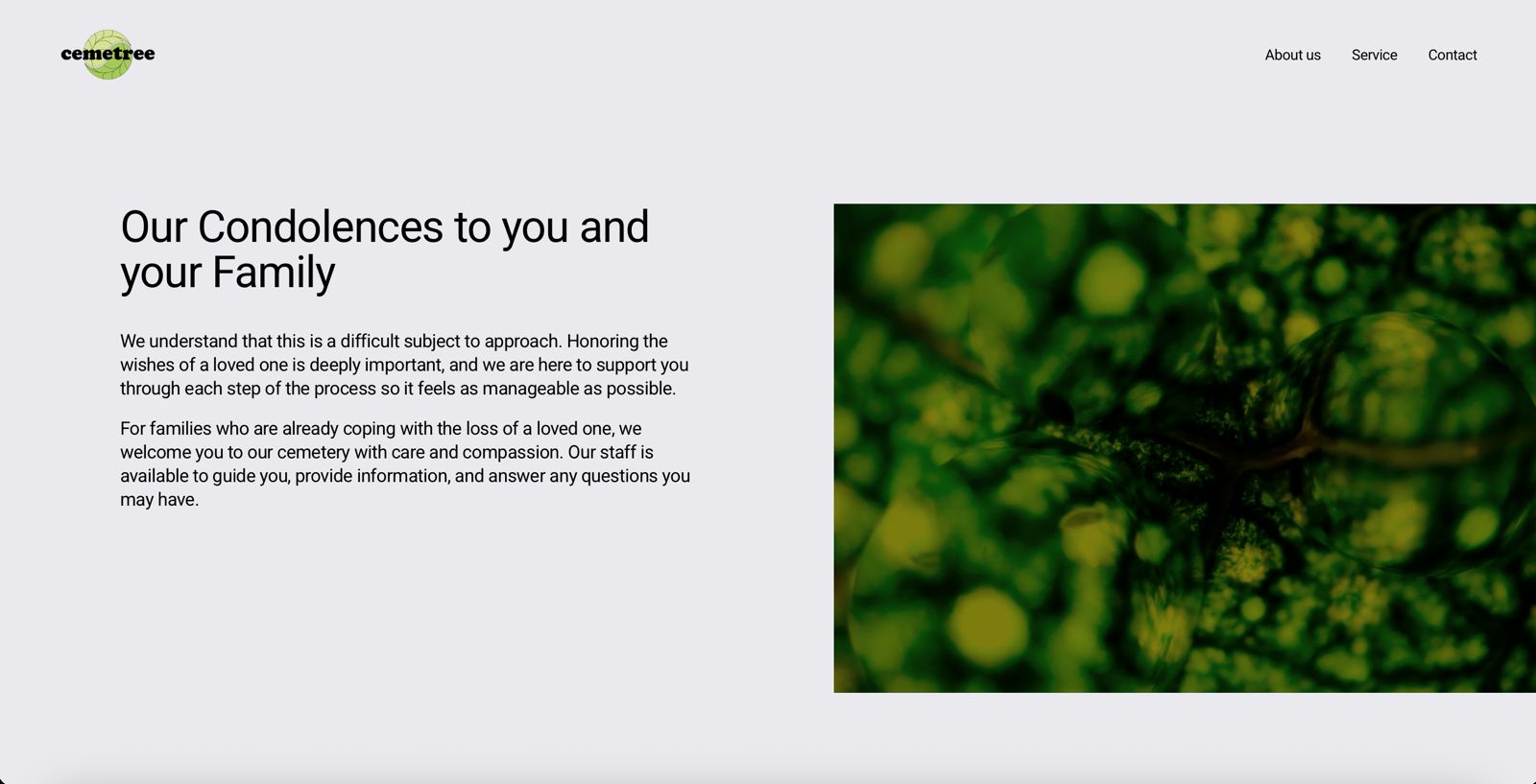
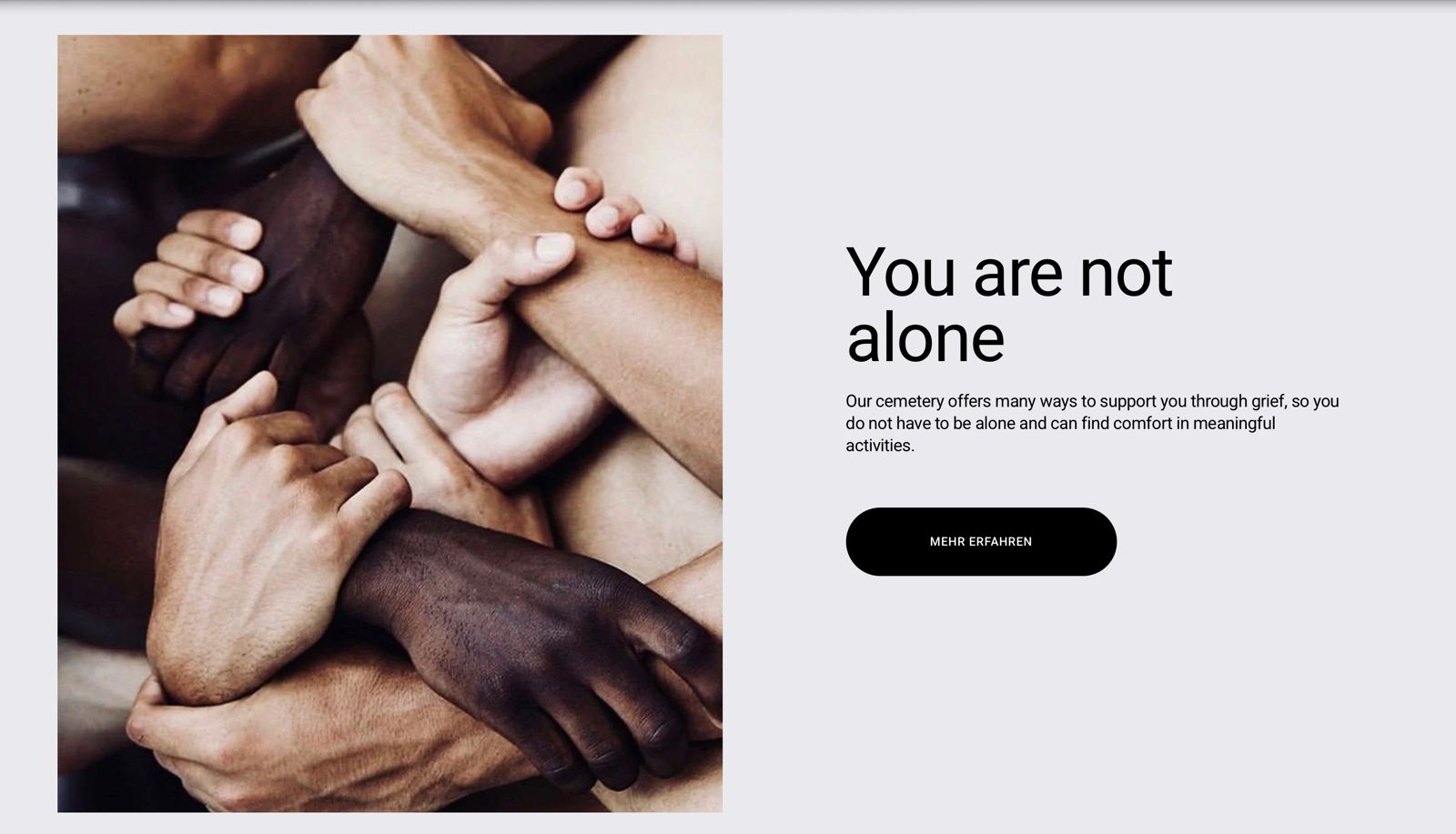
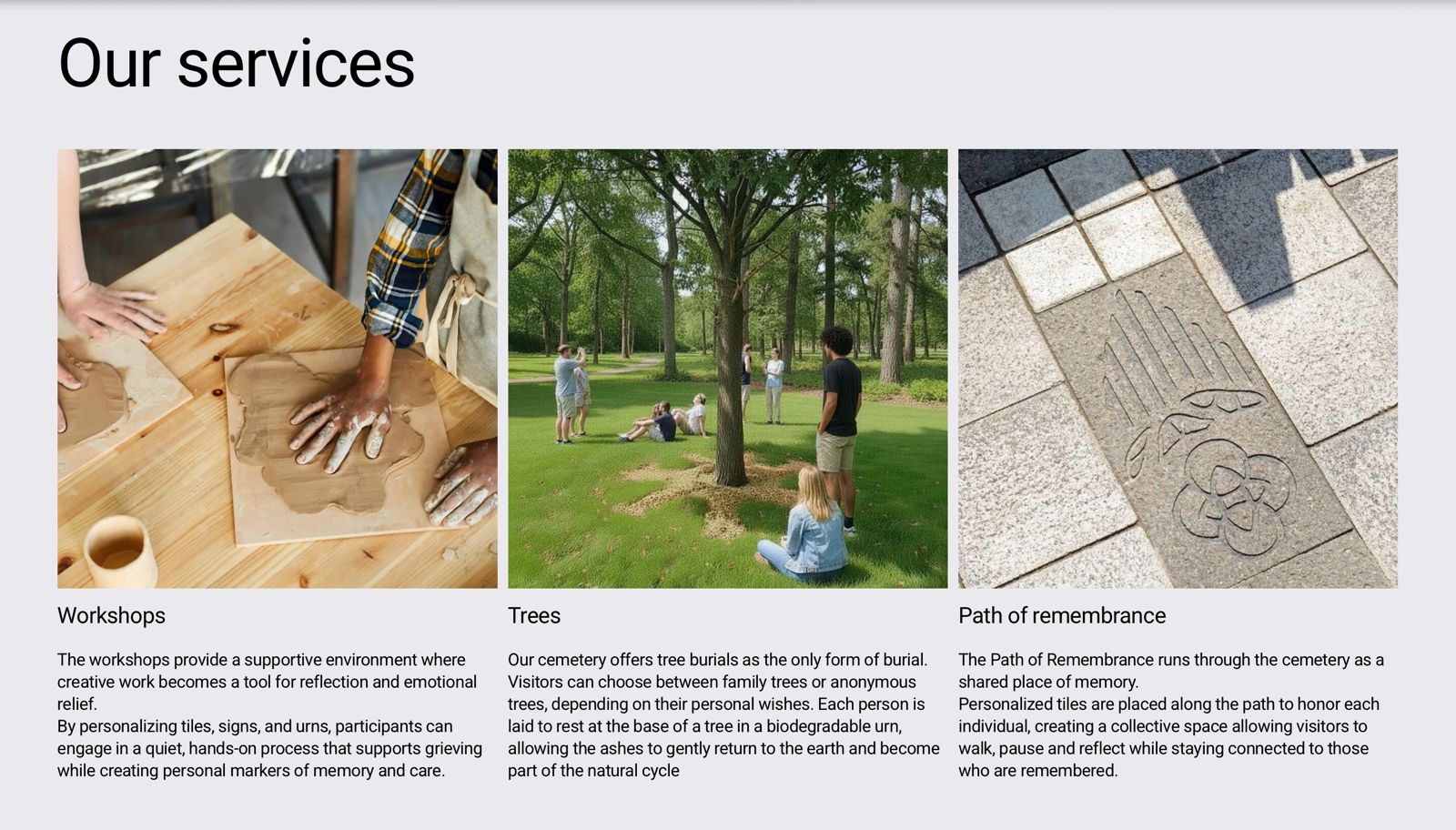
The website introduces the services of cemetree and leads you through the concept and to the contact information.
Hanna Dusemund, Joshua Gulde, Seeun Bang, Bronislawa Zamachowska
BetreuungProf. Leif Huff, Prof. Dr. Susanne Schade
Tags