Dreidimensionales Gestalten 2
artificial metal
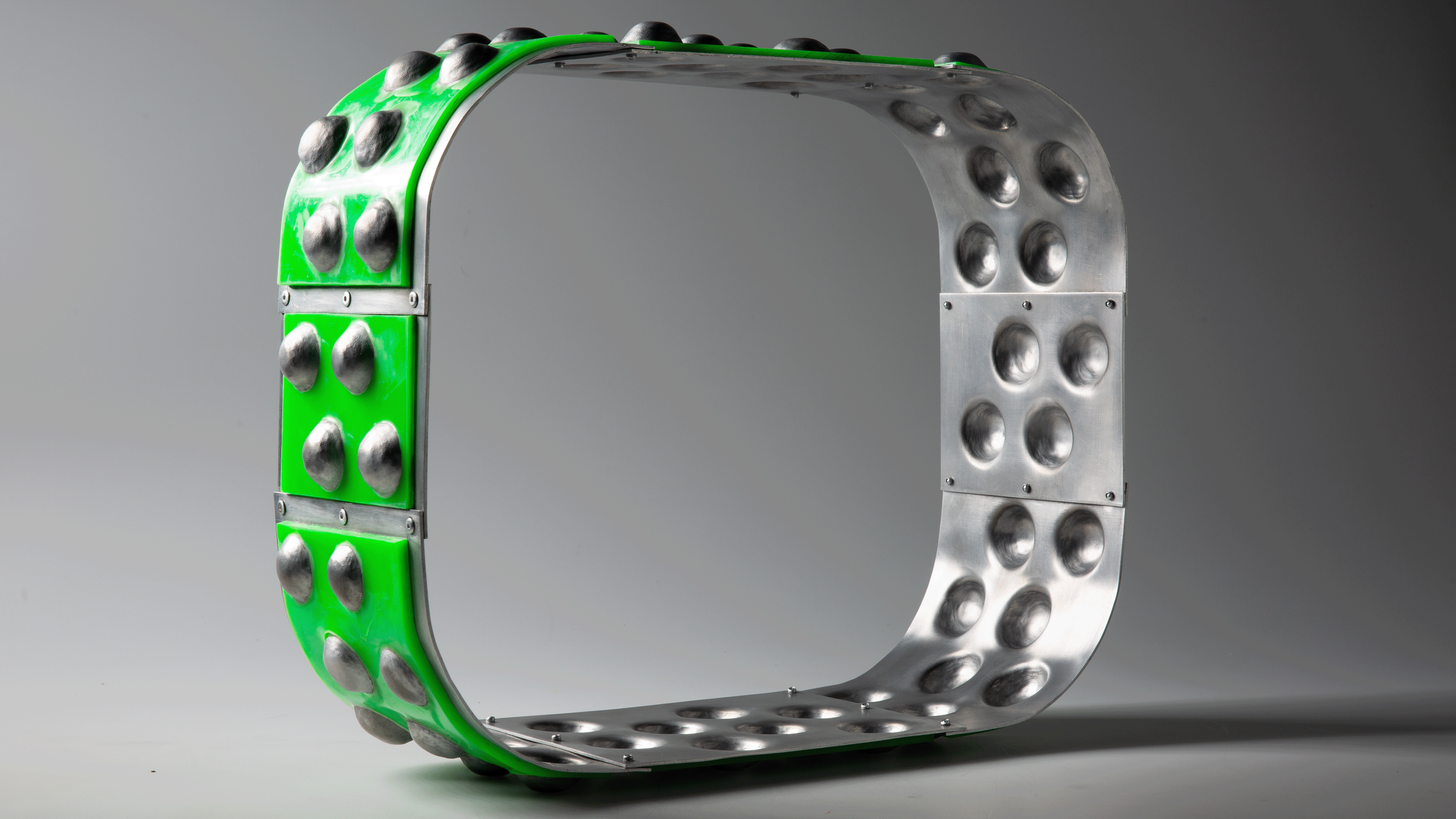
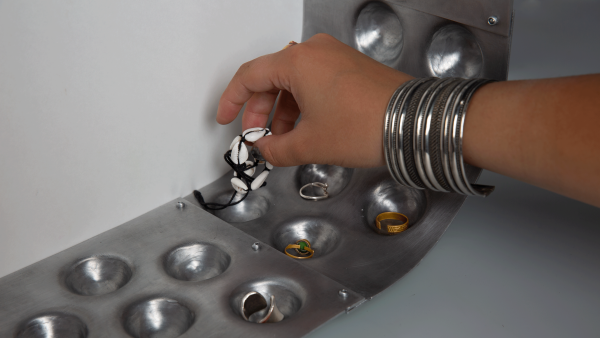
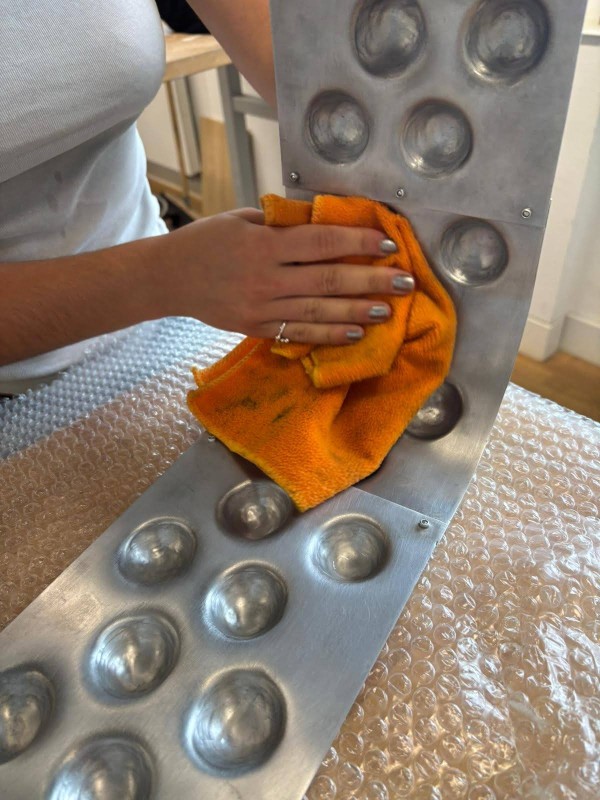
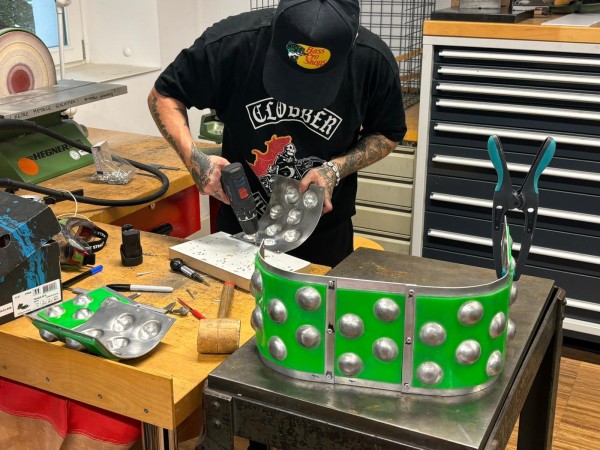
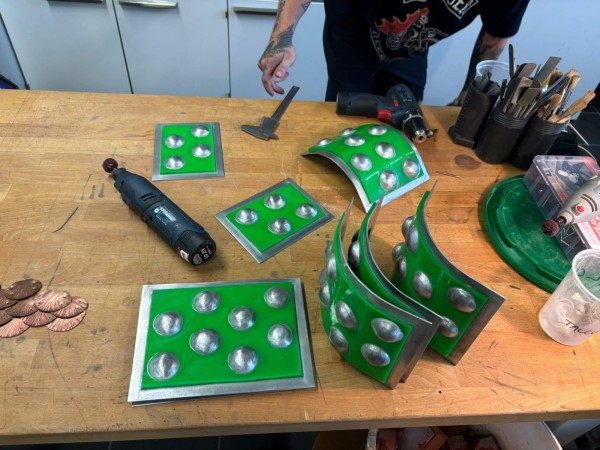
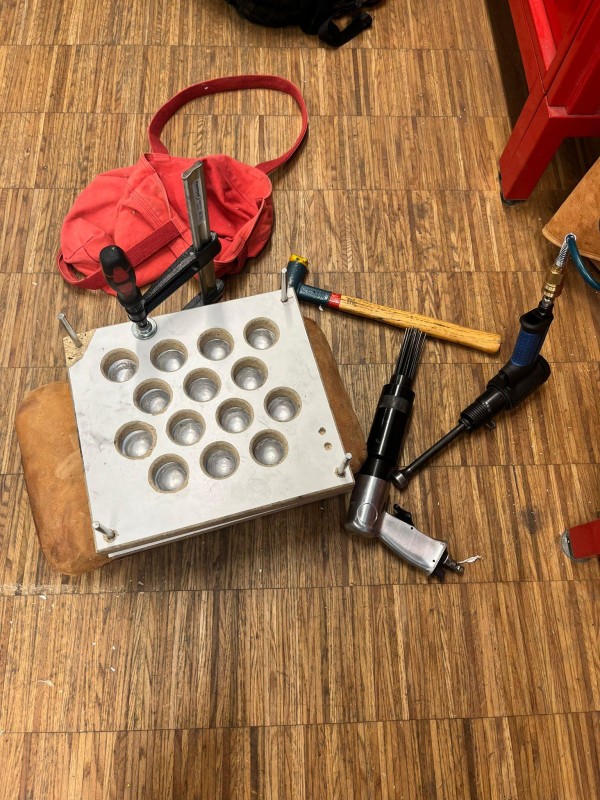
In order to make metal, one of the oldest materials used by humans, look and feel artificial, we used aluminium plates and created a pattern of spherical dents with a pneumatic hammer, giving the surface a dynamic look.
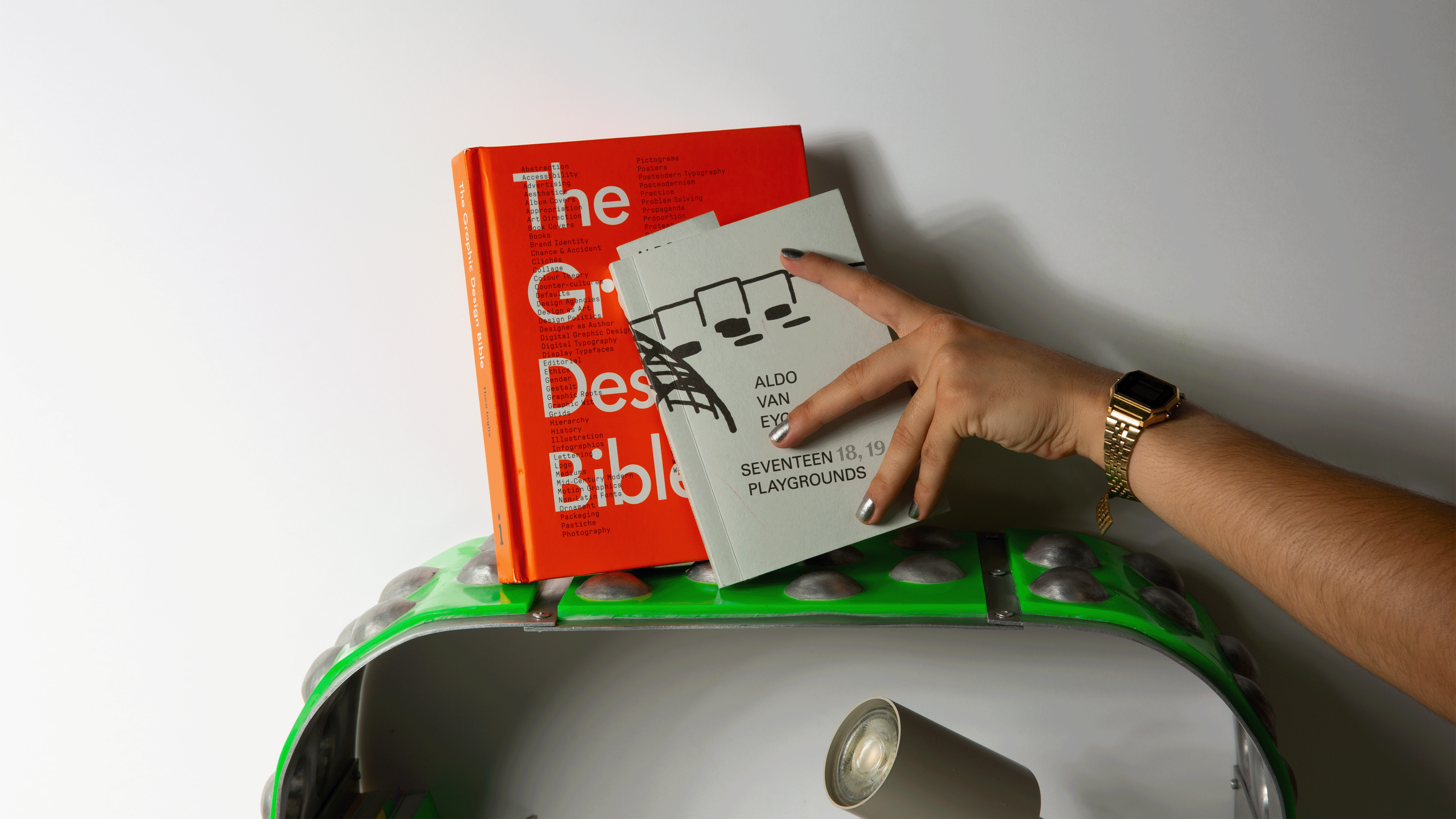
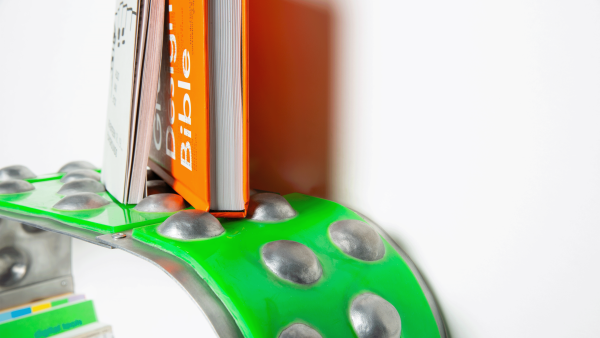
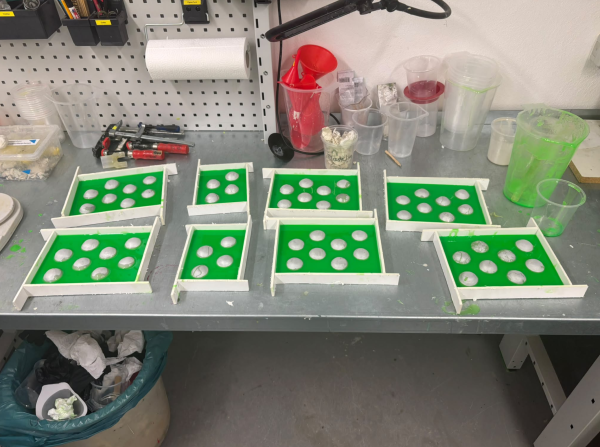
To reinforce the artificial feel, we added a layer of bright green polyurethane.
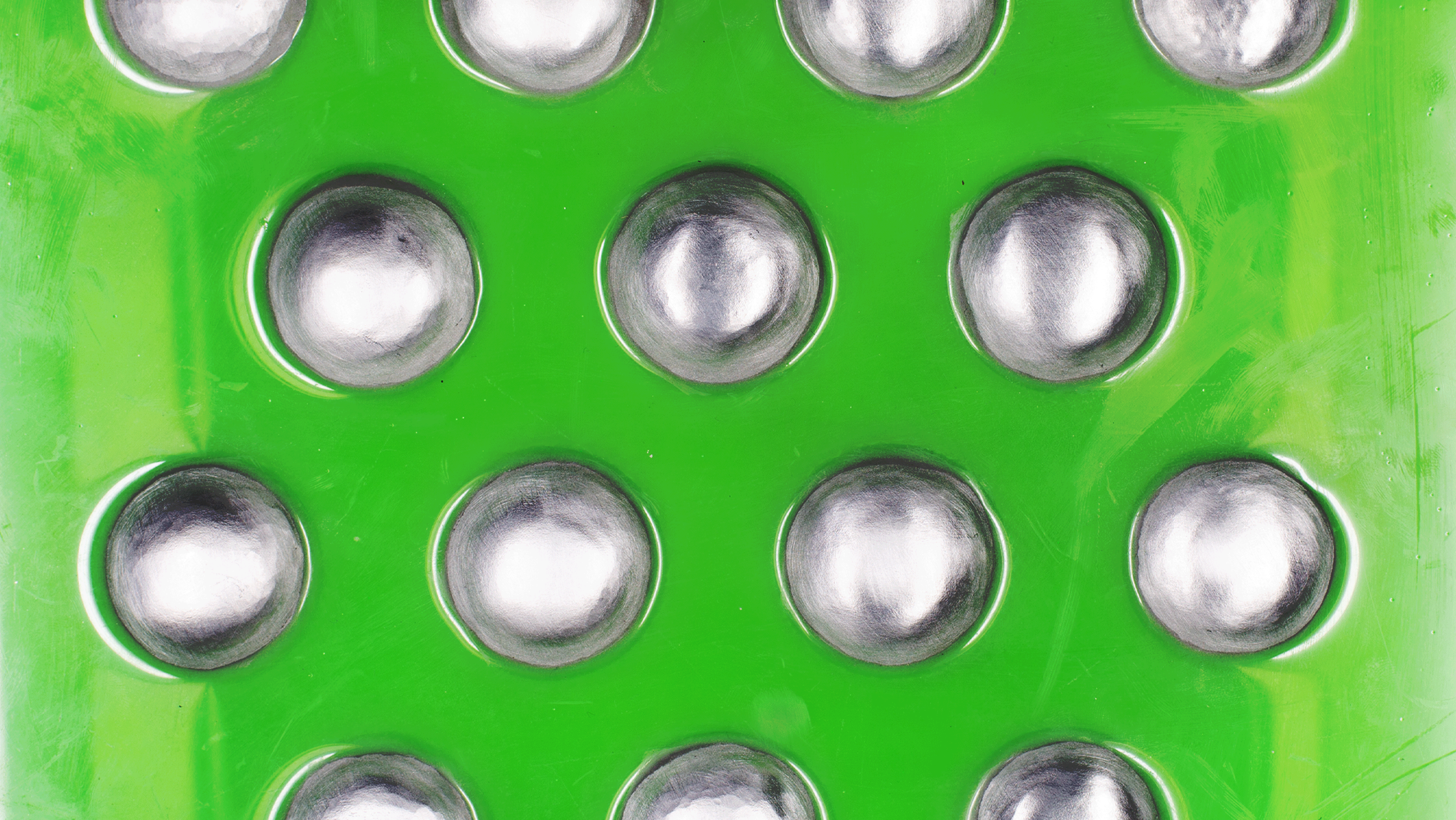
The combination of the cool metallic surface with the soft, colourful rubber created a strong contrast and gave the material a unique visual identity while also improving its functionality.
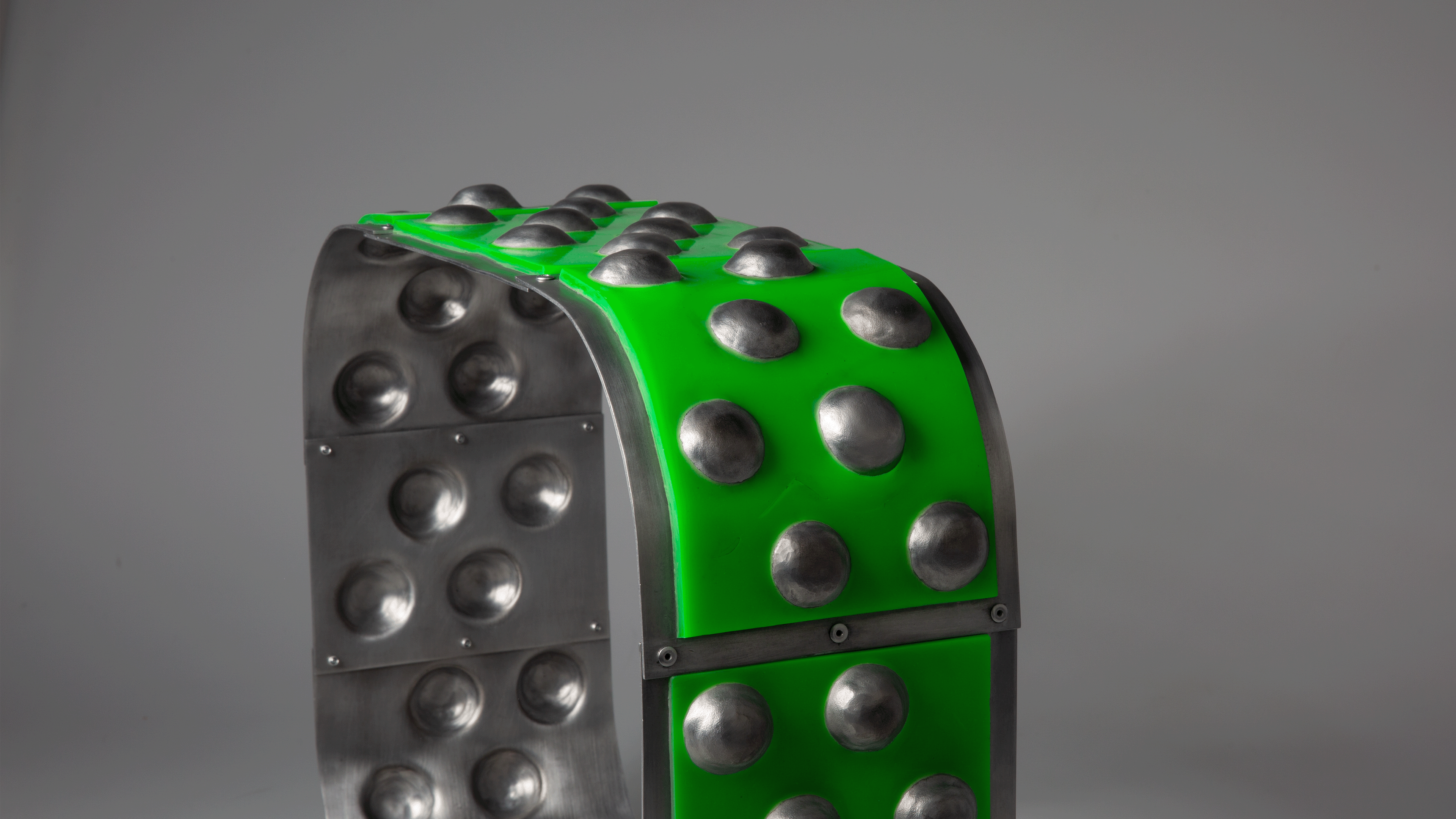
The grooves not only add visual interest but also become a functional part of the design. We wanted to create an object that was both practical and visually striking, while showcasing the material we had developed.
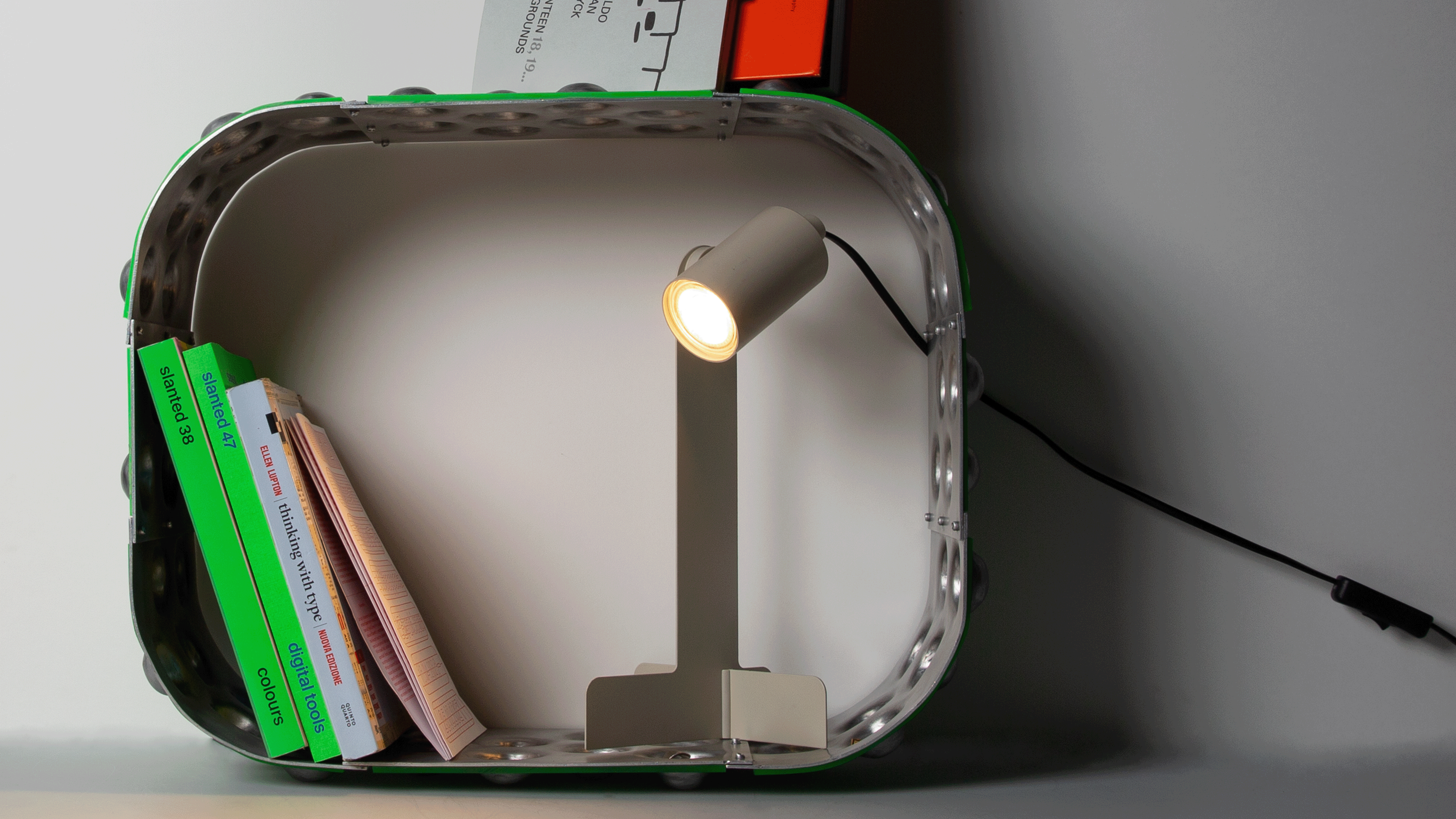
By exploring different, new and experimental techniques, we were able to create a product that combines functionality with an artificial aesthetic.