Dreidimensionales Gestalten 2
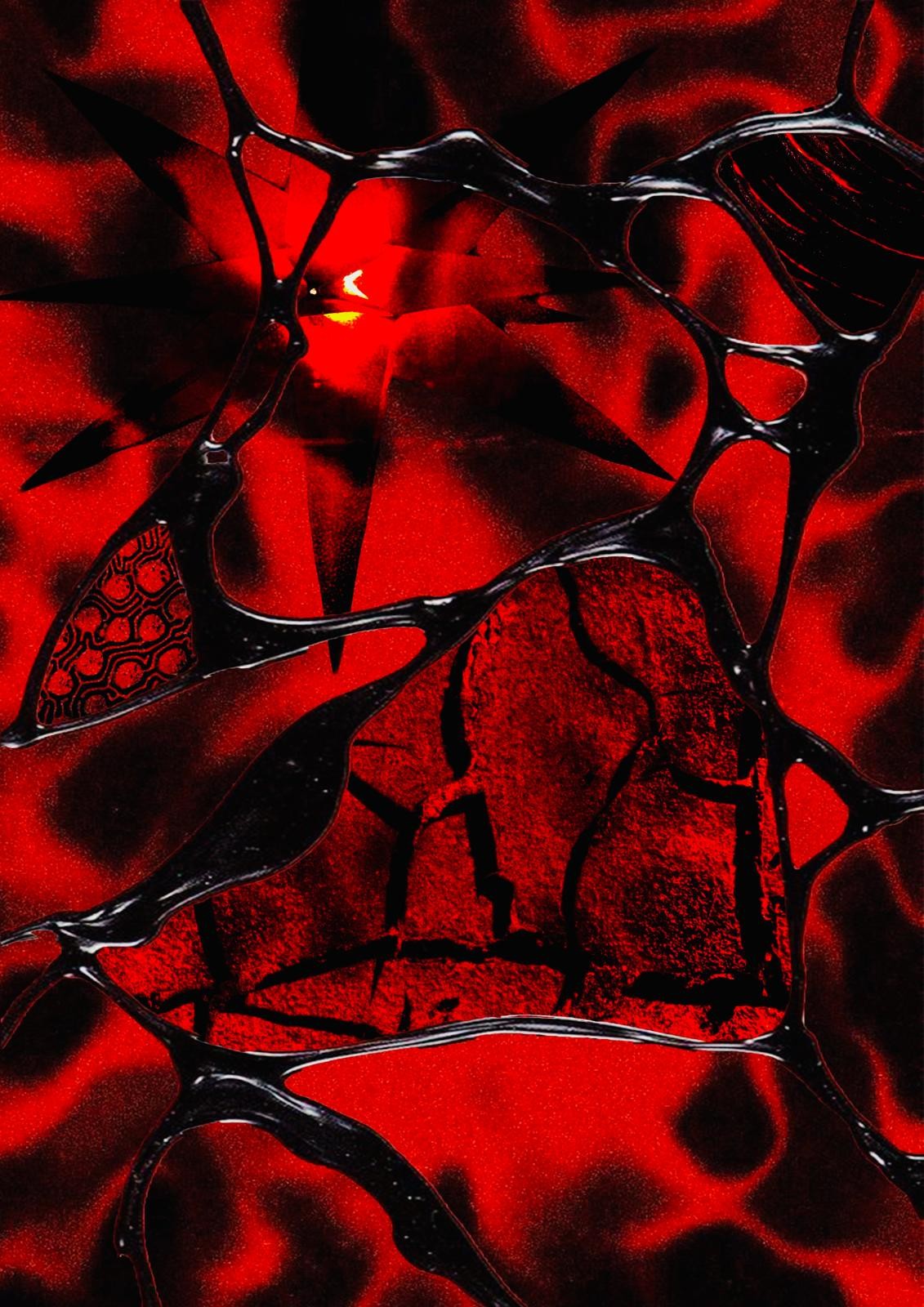
aggressive-natural fibers
bold
violent
contagious
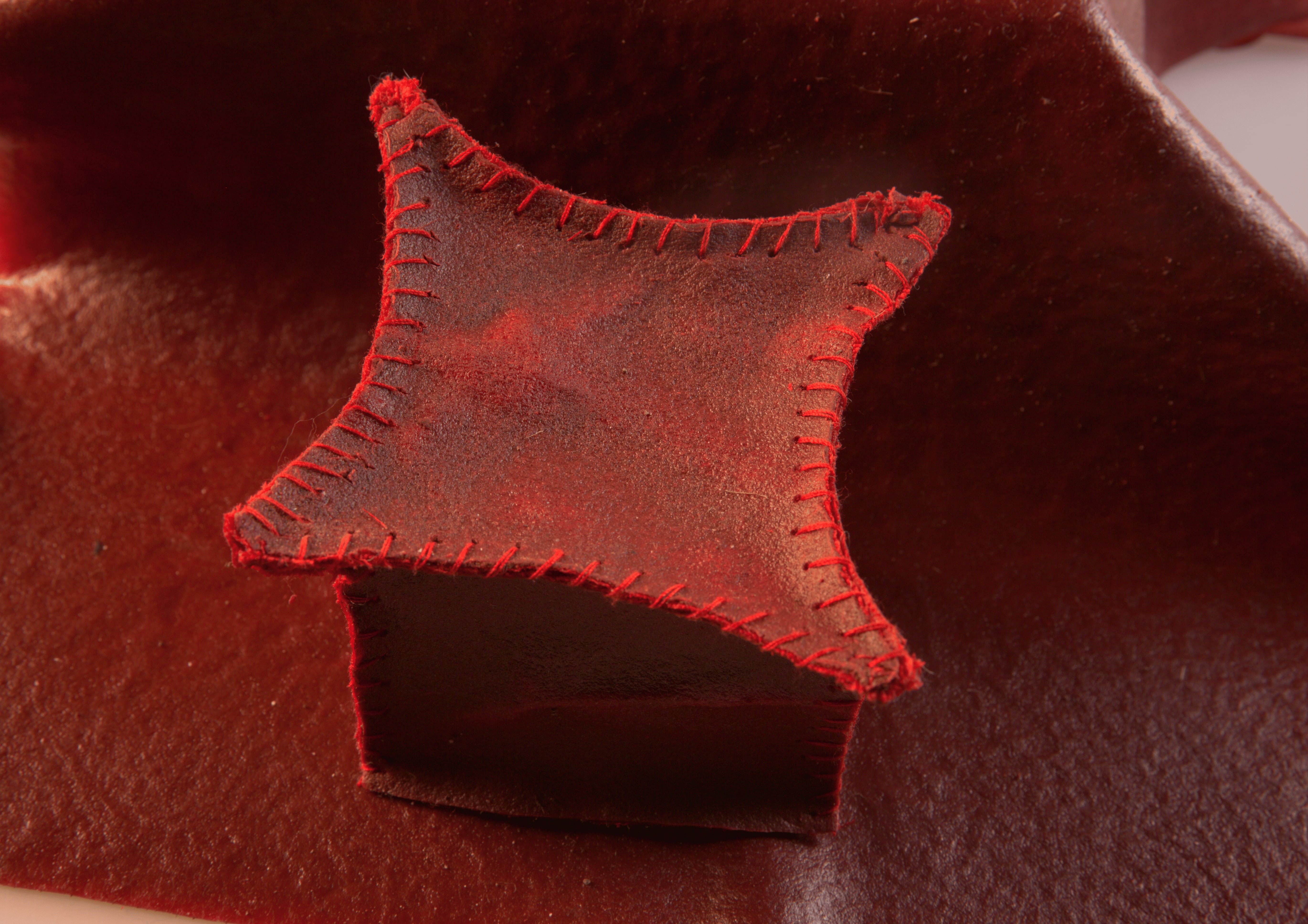
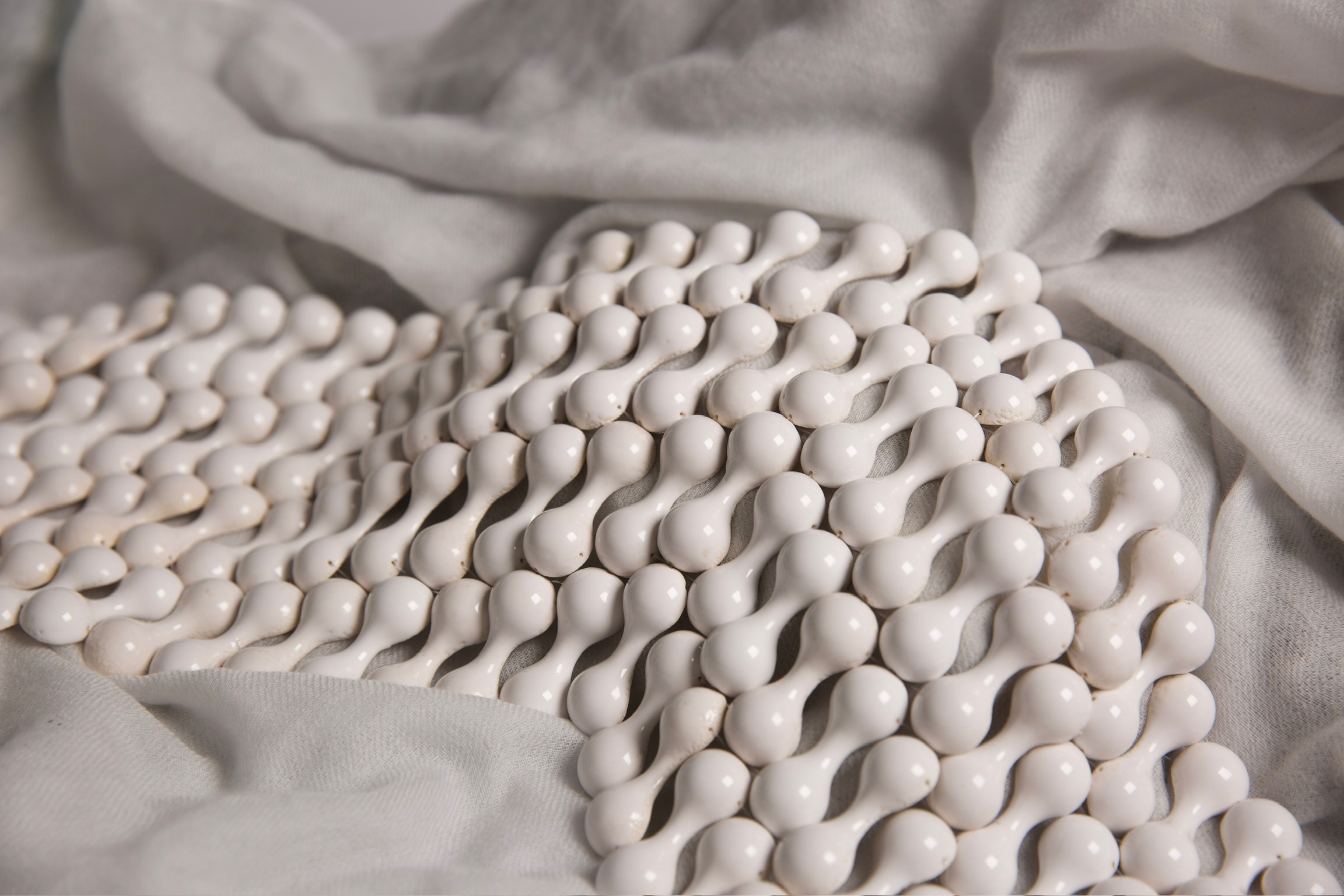
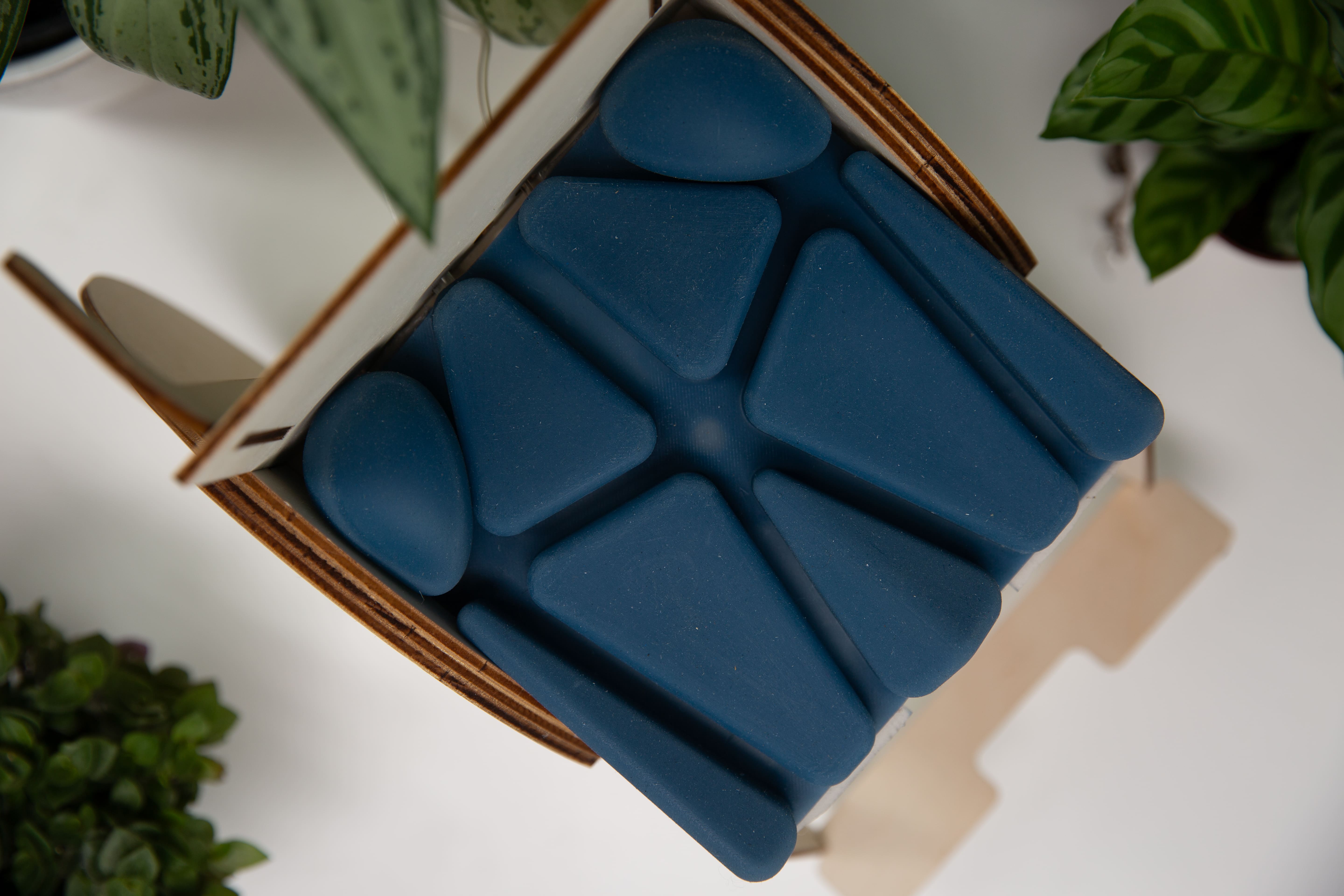
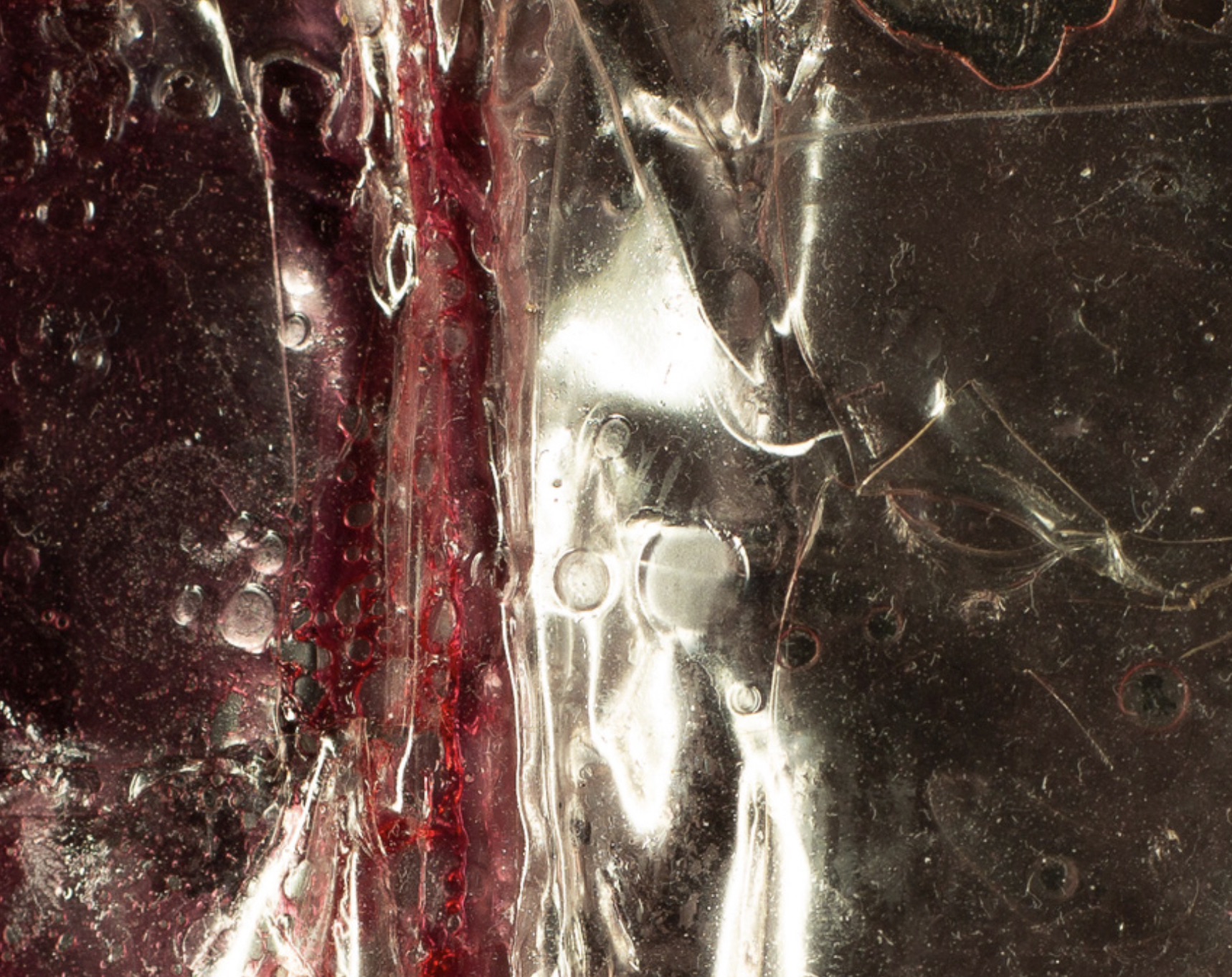
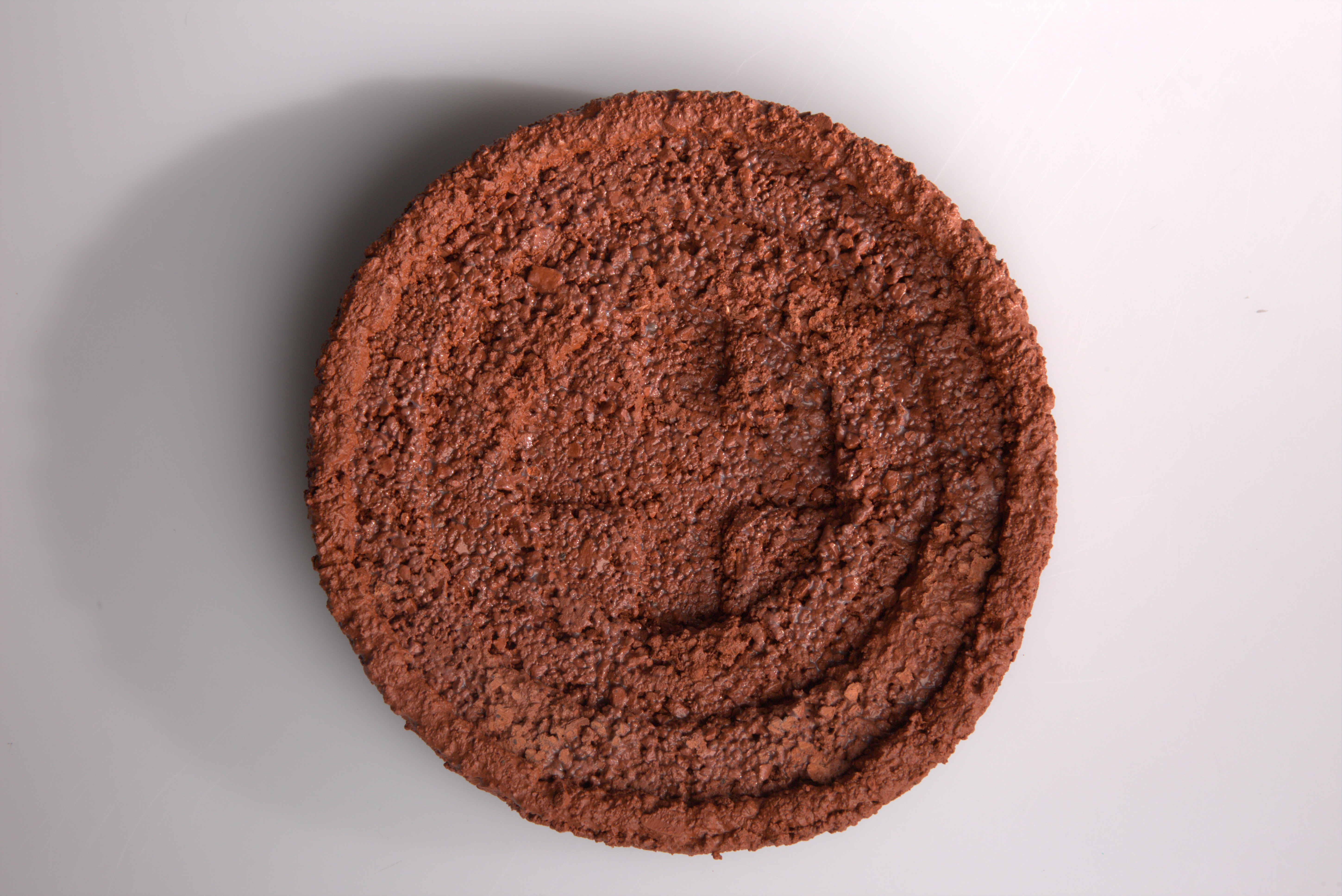
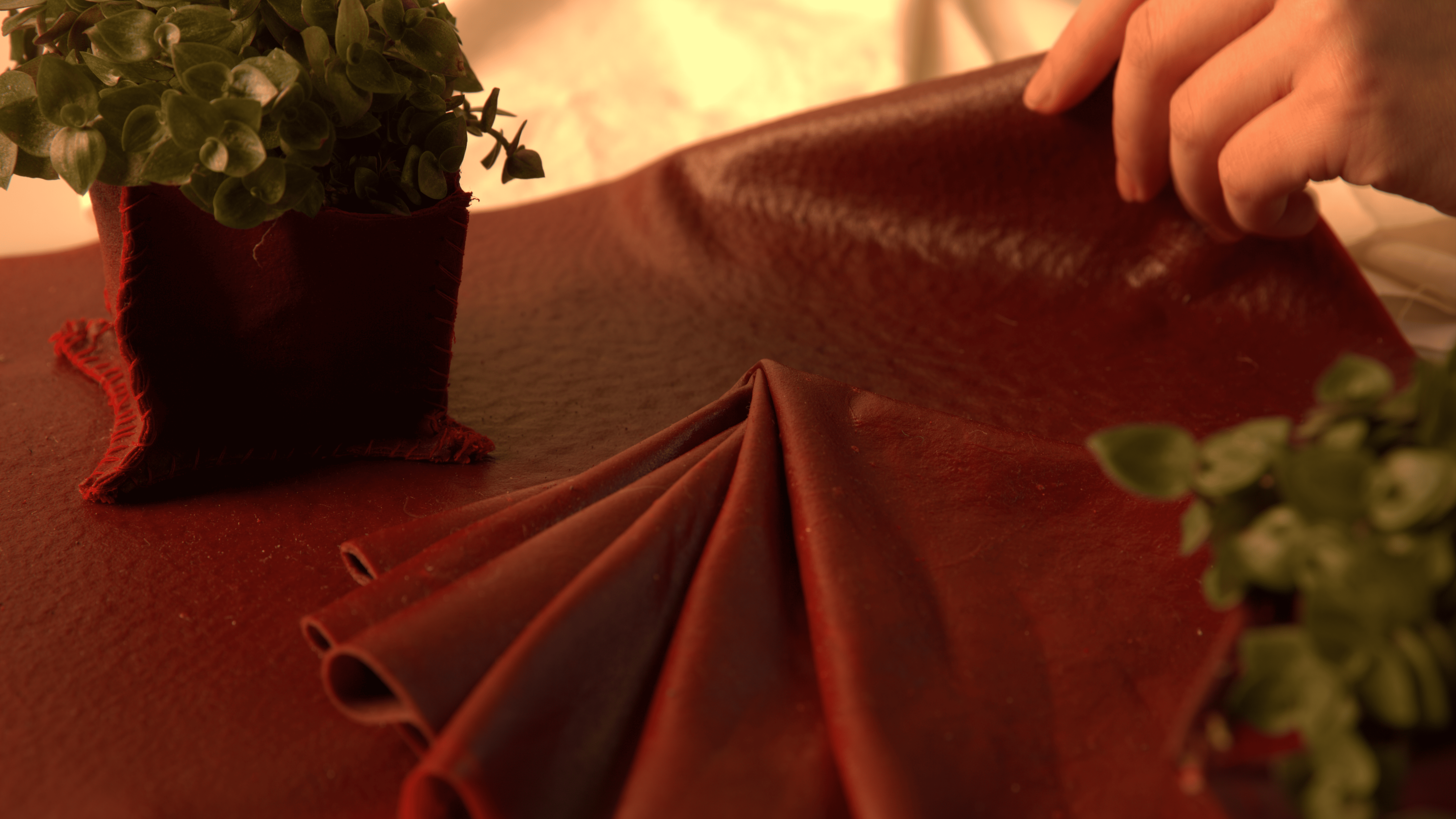
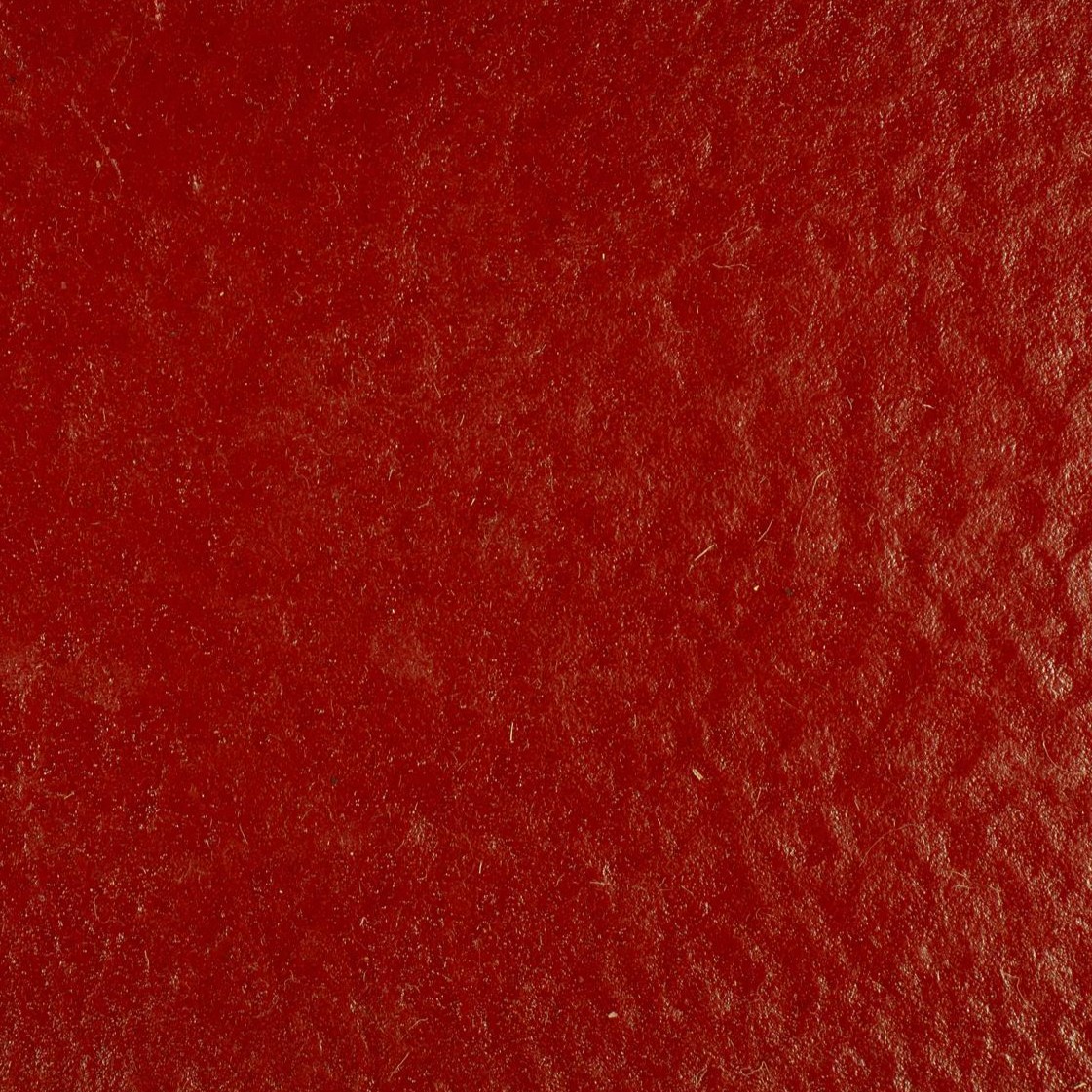
Our material is a bioplastic made out of a compound of agar-agar, glycerin, and hemp protein. It has a different lookon each side. The upper side is glossy, slightly squishy, and resembles leather, while the bottom side is much rougher, matte, and sandy to the touch. All material ingredients are bio-degradable, which is the best part of it. The material is temporary and can dissolve completely.
Focusing on this biggest advantage of the material (an ability many other materials lack), we decided to make a temporary plant pot with a beeswax coating on the inside, which makes it waterproof.
While the project is not yet perfect, and its surface, and design can still be refined, it already holds a strong conceptual foundation and clear potential for further development and experimentation. Our project addresses plant stores and groceries, where single-use plastic pots are discarded almost immediately.
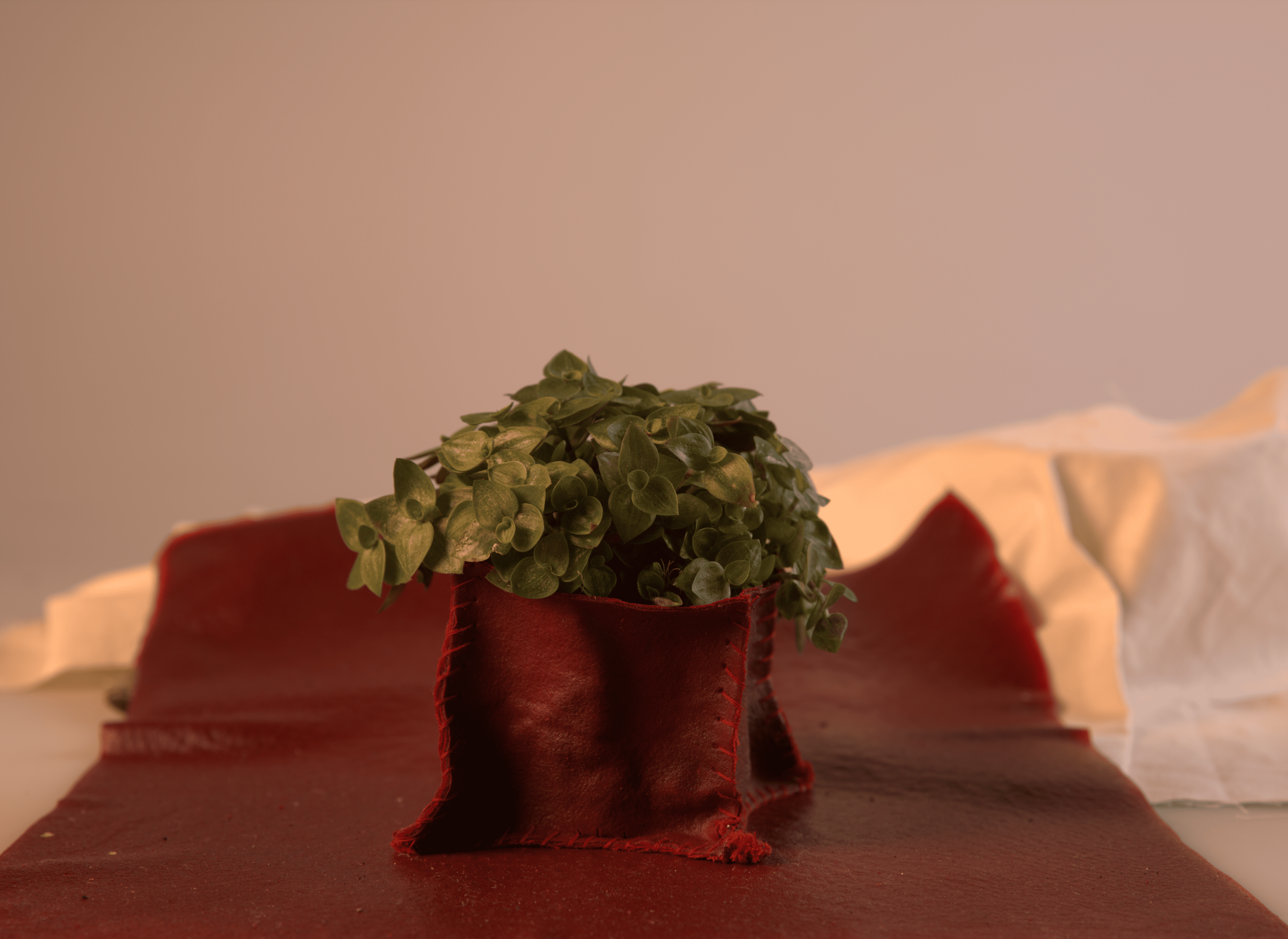
The user can decide whether to keep the plant in the pot or, as is often the case, replant it into a bigger pot. With full awareness, the user is not contributing to growing waste. The design is driven by the leather-like appearance, while an ”aggressive” quality is introduced through the material use of color, creating a sense of danger, something that feels unsafe, as if it cause harm.
Our project offers a waste-free alternative to single-use plastic pots, making the world a bit more sustainable.