Dreidimensionales Gestalten 2
botanical natural based/ perfume bottles
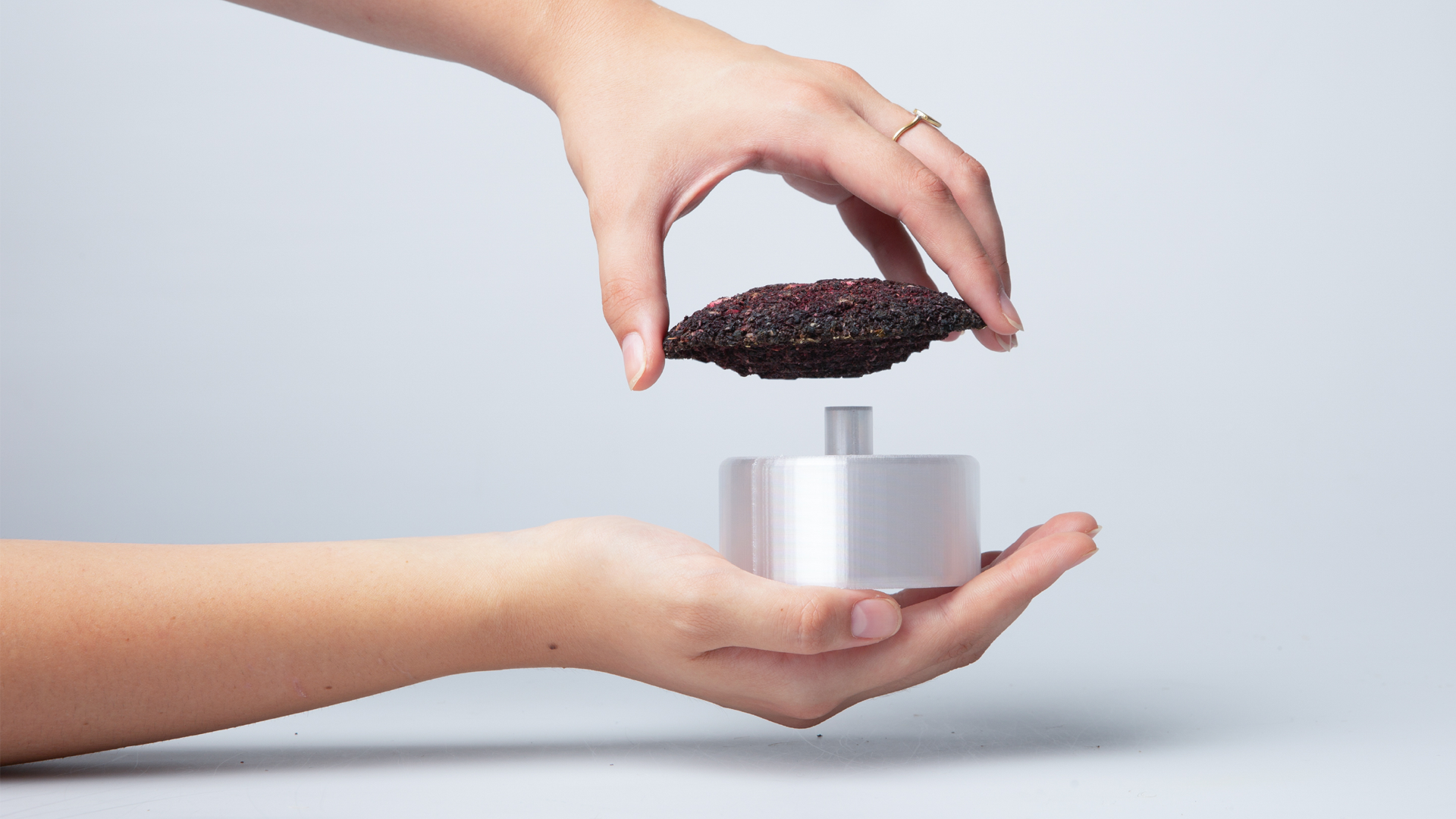
The project began with an inquiry into the meaning of the assigned adjective, and how its essence could be meaningfully translated into a tangible product.
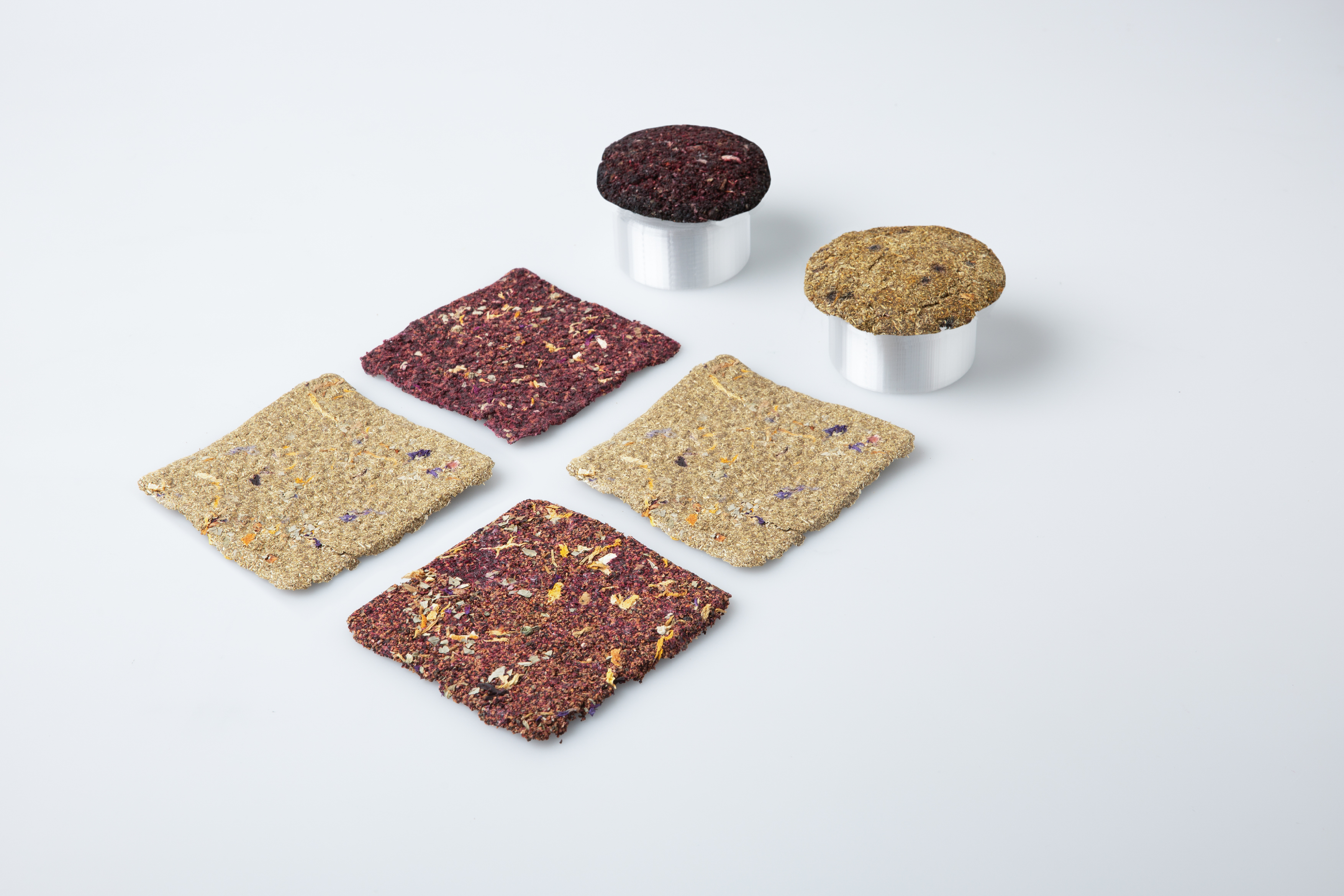
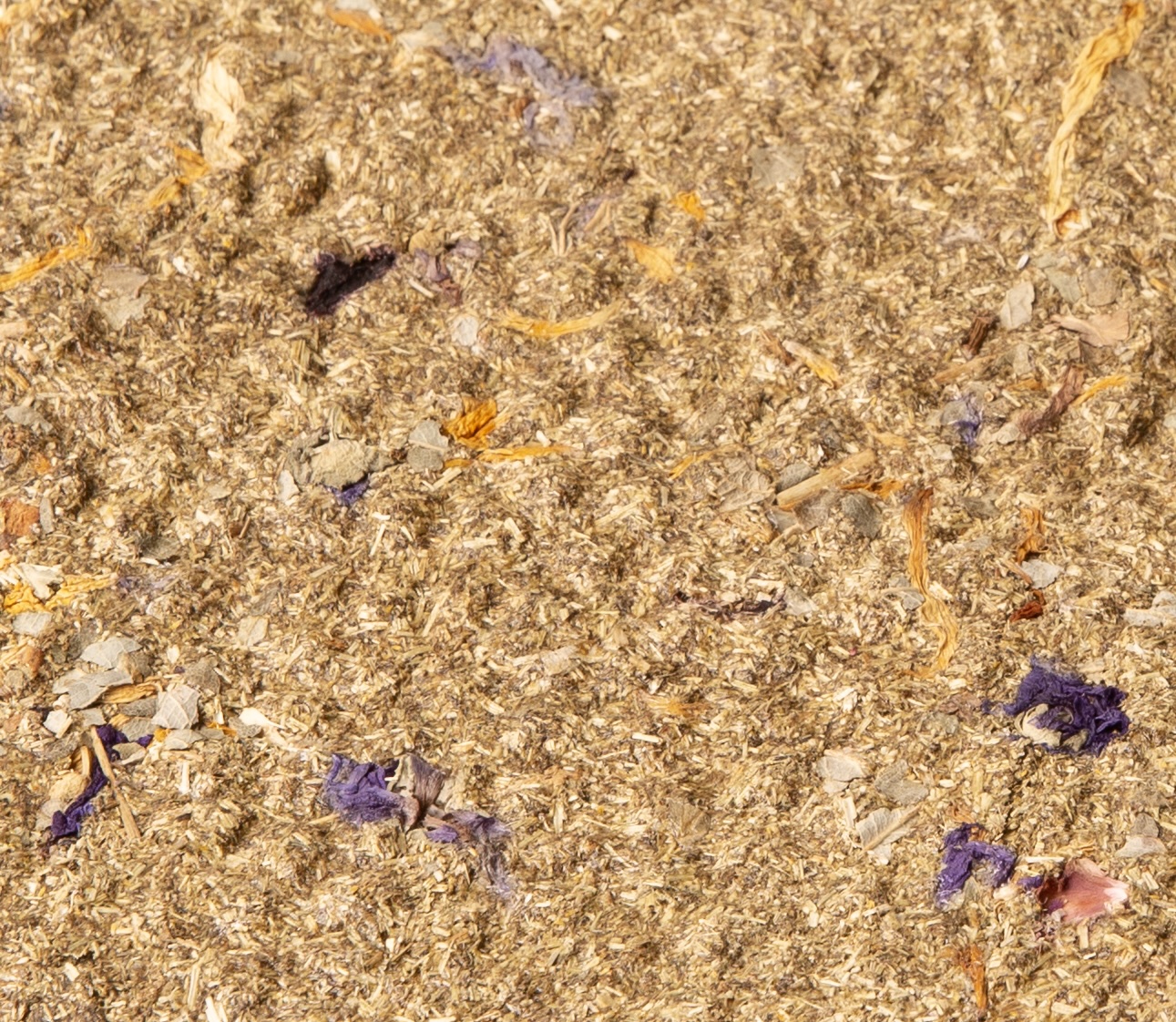
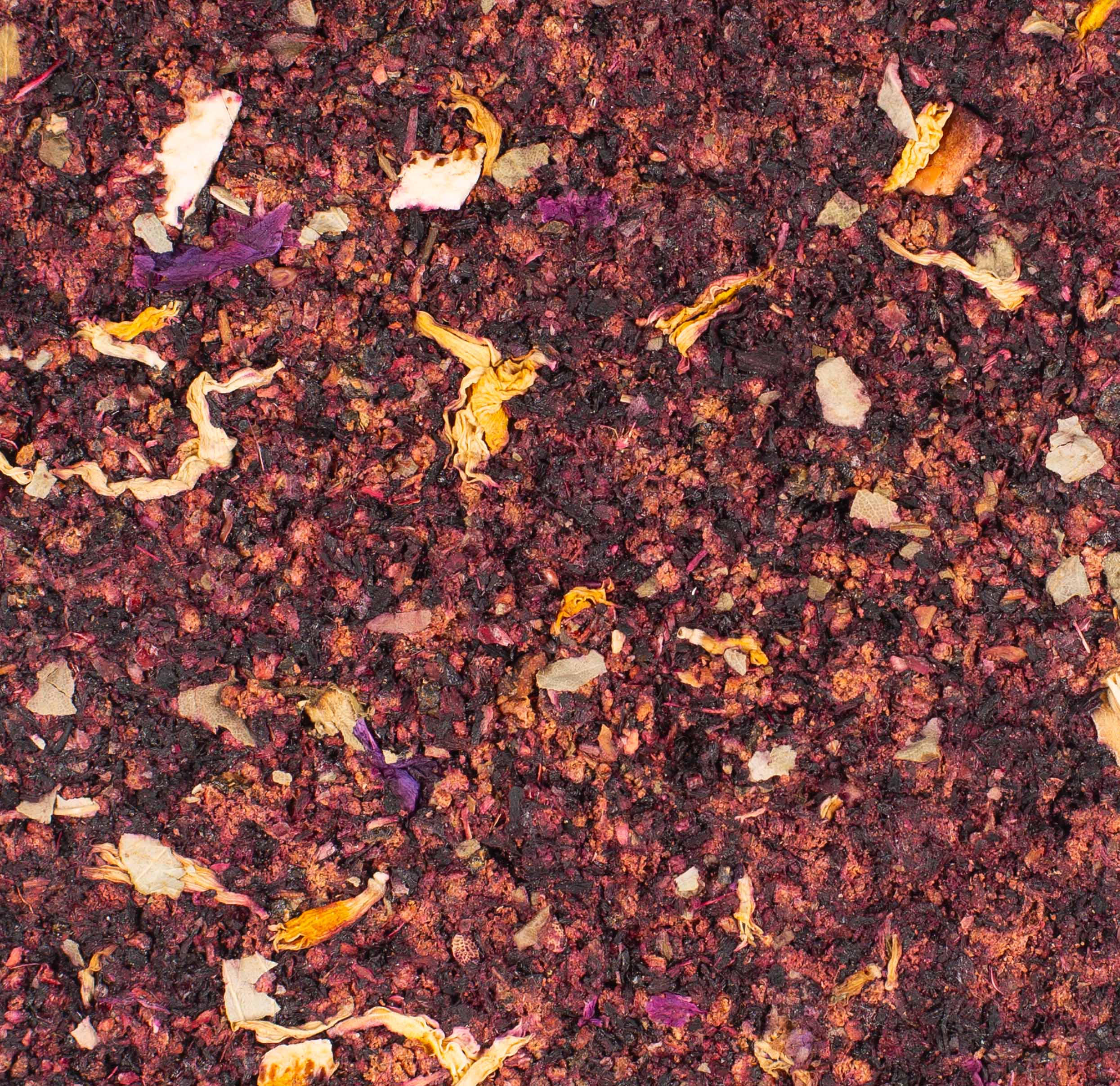
Following extensive experimentation with a range of possible materials, we ultimately selected used tea leaves, the residue typically discarded after being contained in paper tea bags. Rather than treating this as waste, the material was reworked and given new purpose. By virtue of its composition, it retains both the natural color of the tea and, most notably, its scent, which persists distinctly within the fibers even after processing. Building on these defining characteristics, aroma and structural resilience, we developed a specific product application: caps designed for perfume bottles. Each cap is crafted to replicate the scent of the perfume contained within the bottle, allowing for immediate and intuitive identification of the flavor. The shape of the cap was developed with reference to traditional Chinese tea sets, which served as a key source of inspiration throughout the design process, lending the object both cultural resonance and visual refinement. The resulting product thus brings together functional and aesthetic dimensions in a single, cohesive object. It stands as an example of how a discarded material, can be reimagined and transformed into something of genuine practical value and sensory intelligence.